New Zealand Wildlife Sanctuaries Ready for Bird Flu Outbreak
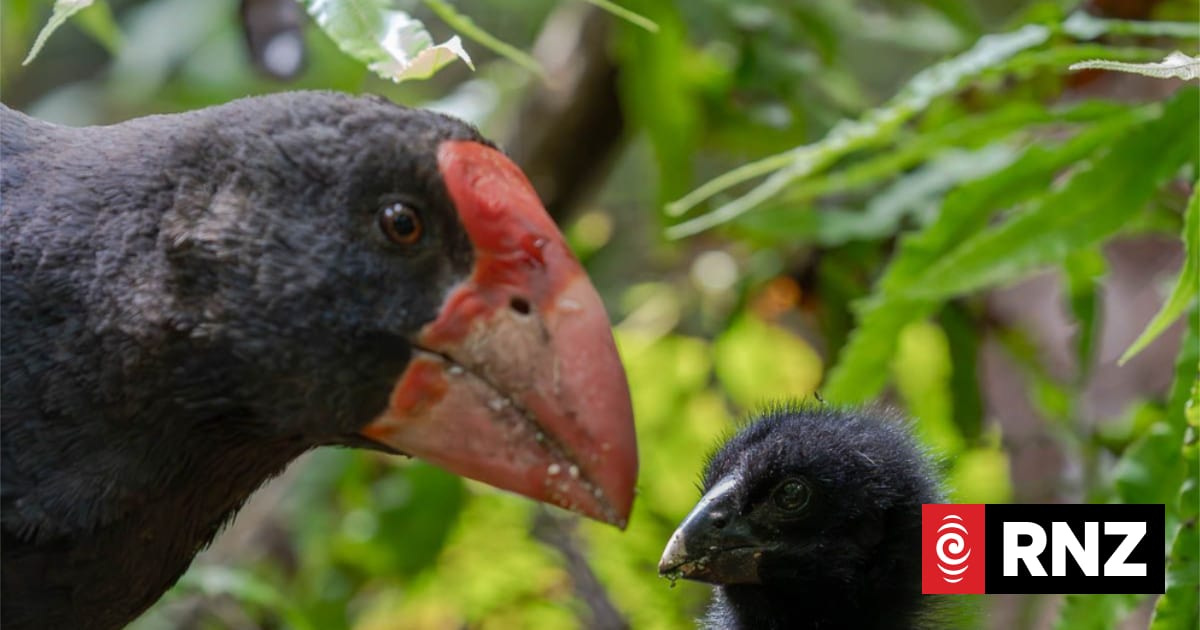
Two prominent wildlife sanctuaries in New Zealand, Zealandia in Wellington and Sanctuary Mountain Maungatautari in Waikato, have stated they are well-prepared for the potential arrival of avian influenza, commonly known as bird flu. Both organizations have indicated that they have been proactively planning for such an eventuality for an extended period. This foresight suggests a commitment to biosecurity and the protection of their resident wildlife populations from the highly contagious disease. The preparedness measures likely include protocols for monitoring bird health, biosecurity barriers, and potentially quarantine procedures should an outbreak occur. Such preparations are crucial for preventing the spread of bird flu, which can have devastating impacts on wild bird populations and, in some cases, can transmit to domestic poultry and even humans.
The proactive stance of these wildlife sanctuaries in preparing for avian influenza highlights the increasing need for robust biosecurity measures in conservation efforts globally. As global travel and trade continue, the risk of zoonotic disease transmission escalates, impacting both wildlife and human health. These institutions' long-term planning demonstrates an understanding of systemic risks and the importance of preventative strategies. This approach underscores a broader trend where conservation organizations must integrate public health and epidemiological preparedness into their operational frameworks, anticipating future challenges posed by environmental changes and increased human-wildlife interaction.
AI-generated to prompt reflection — not editorial opinion, not advice, not a statement of fact. How this works.