Newborn dies after birth in hospital reception area in Maceió
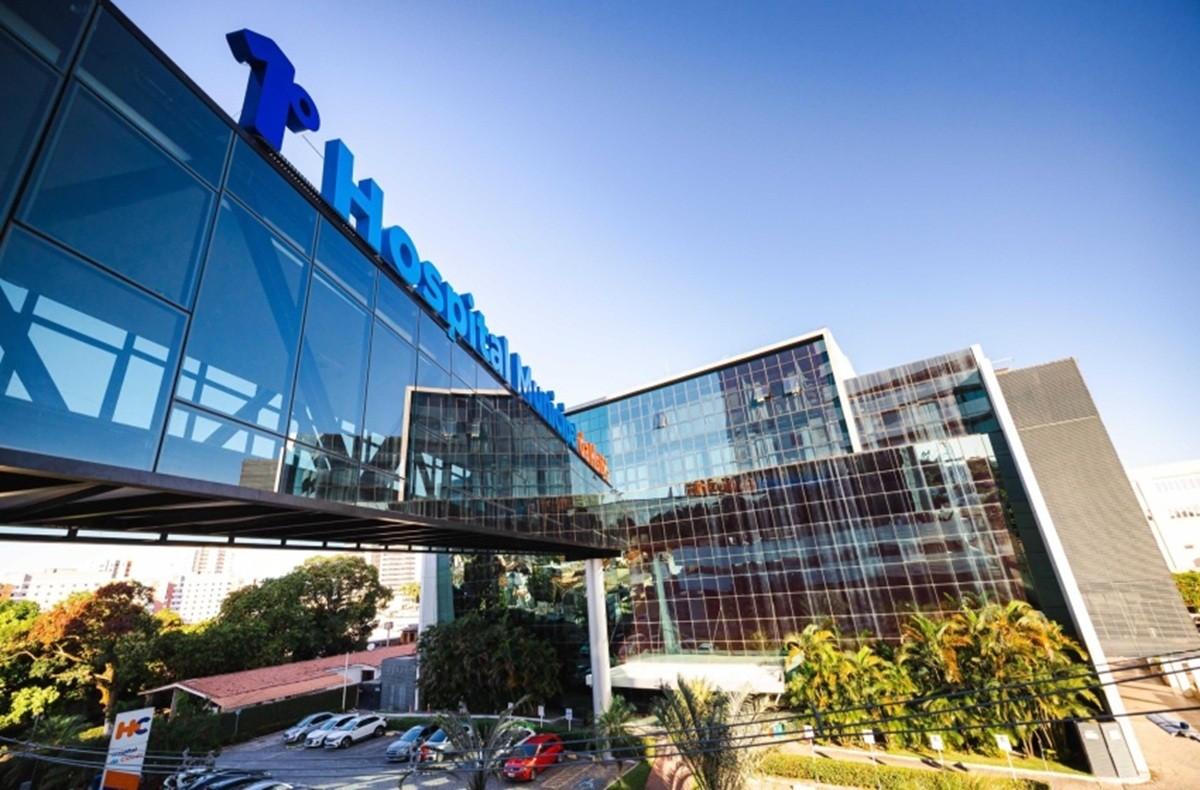
A newborn baby died after being born in the reception area of the Hospital da Cidade in Maceió, Brazil, on Monday, June 3rd. The baby's family alleges negligence and delays in medical care, claiming the mother was waiting for attention when she went into labor and the infant fell to the floor after birth. A video recorded by the baby's grandfather shows the father expressing distress over the situation, stating his daughter had been at the unit for about an hour and the baby was taken in critical condition to the Intensive Care Unit (ICU). He described the event as unjust and absurd, with no immediate action taken after the baby fell. The Hospital da Cidade stated that the patient was six months pregnant upon arrival and was triaged and medically evaluated. The hospital claims the mother went into labor rapidly during the triage process and that a full obstetrics team was on duty. However, the hospital did not specify the circumstances of the baby's death or directly address the claim that the infant fell. An internal investigation has been opened by the hospital to examine the incident. The mother remains hospitalized and is receiving multidisciplinary care, while the family is being supported by social workers and psychologists. The hospital expressed regret over the child's death and offered condolences to the family, noting that its maternity ward has facilitated over 4,000 births since its opening.
This tragic event highlights critical systemic issues within emergency healthcare access and triage protocols. The family's allegations of negligence suggest a potential breakdown in timely intervention, particularly concerning a high-risk pregnancy presenting in labor. Hospitals must ensure that triage processes are robust enough to identify and immediately address critical situations, even in reception areas, to prevent adverse outcomes. The hospital's statement about an ongoing internal investigation is a necessary procedural step, but transparency and accountability will be paramount in rebuilding trust. Future considerations should involve examining staffing levels, staff training for emergency childbirth outside of delivery rooms, and the physical infrastructure of waiting areas to ensure they can accommodate unexpected medical events. The incident underscores the persistent challenge of balancing patient volume with the imperative for individualized, high-quality care, especially in resource-constrained environments.
AI-generated to prompt reflection — not editorial opinion, not advice, not a statement of fact. How this works.
