Newborn dies from Chikungunya in Alagoas, Brazil
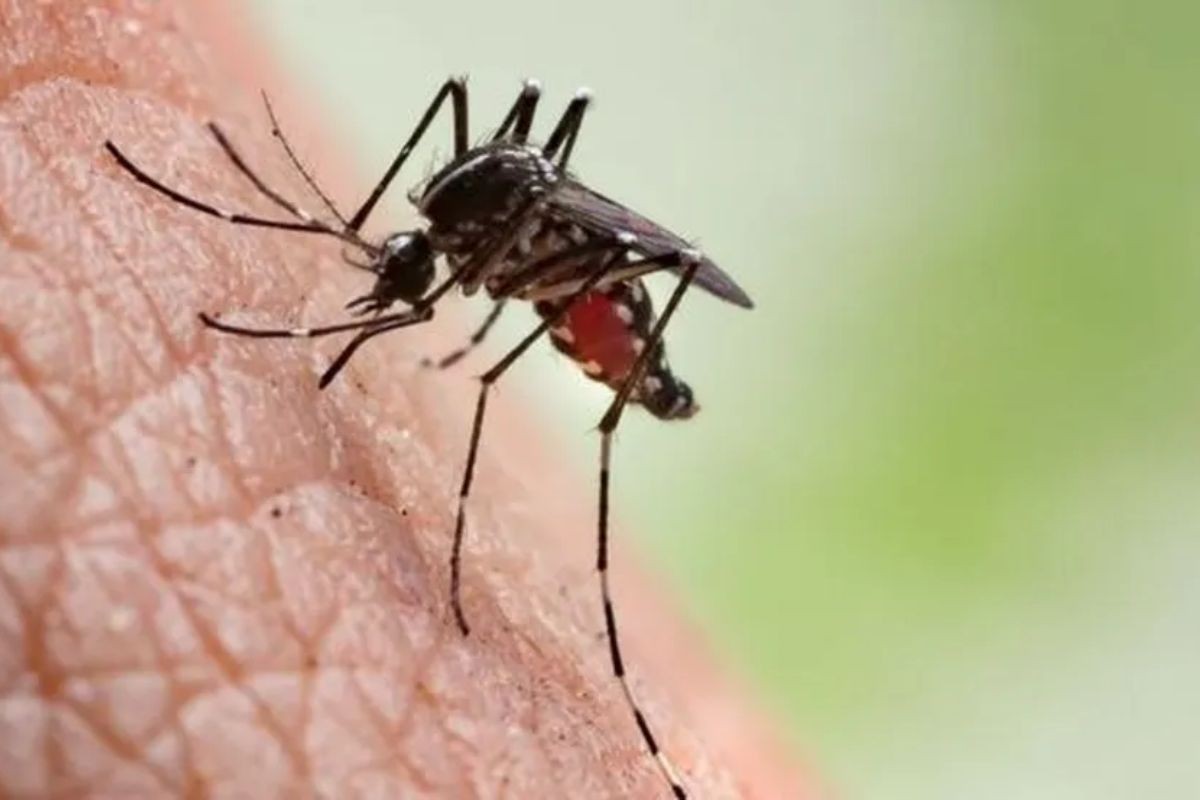
An 18-day-old infant, identified as Clarice, died on Wednesday, May 8th, in São Miguel dos Campos, Alagoas, Brazil, after being born with chikungunya. The Municipal Health Secretariat stated that the mother contracted the disease late in her pregnancy and transmitted the virus to her baby during childbirth. Although the infant was born without apparent complications, she was already infected and was hospitalized for 18 days. Her death was attributed to multiple organ failure. The municipal health secretary, Ademir Vieira, explained that the baby was fragile and could not withstand the progression of the disease. Clarice's father, João Paulo, expressed his hope that this case would serve as a wake-up call for accelerated research into a cure for chikungunya, lamenting the lack of salvation for his daughter. This marks the third chikungunya-related death in São Miguel dos Campos in just over a month. The city had previously confirmed the deaths of a mother, Rubenita Lins dos Santos, 60, and her daughter, Crisleine, from complications of the disease. Both had pre-existing conditions that worsened their clinical status; Rubenita died on May 30th, and Crisleine passed away on June 4th after hospitalization. In response to rising cases of dengue and chikungunya, the local government has intensified efforts to combat the Aedes aegypti mosquito through home visits to eliminate breeding sites and educate residents. The Health Secretariat urges the public to eliminate standing water sources and seek immediate medical attention at Basic Health Units (UBSs) upon the first symptoms to ensure prompt treatment and reduce the risk of severe illness.
This tragic event highlights the severe public health implications of arboviral diseases like chikungunya, particularly concerning vertical transmission from mother to child. The case underscores the vulnerability of newborns to such infections and the critical need for advanced diagnostic and therapeutic interventions. While current public health strategies focus on vector control and symptomatic treatment, the father's plea points to an urgent systemic requirement for accelerated research into antiviral therapies and vaccines. The incident also raises questions about maternal health monitoring during pregnancy in regions with high vector-borne disease prevalence, and the preparedness of healthcare systems to manage complex neonatal cases arising from these infections. Future public health frameworks must integrate robust surveillance, rapid response mechanisms, and sustained investment in biomedical research to mitigate the devastating impact of such diseases on the most vulnerable populations.
AI-generated to prompt reflection — not editorial opinion, not advice, not a statement of fact. How this works.