Newborn Found in Hospital Trash Bin in Sorocaba, Brazil, Receives Care
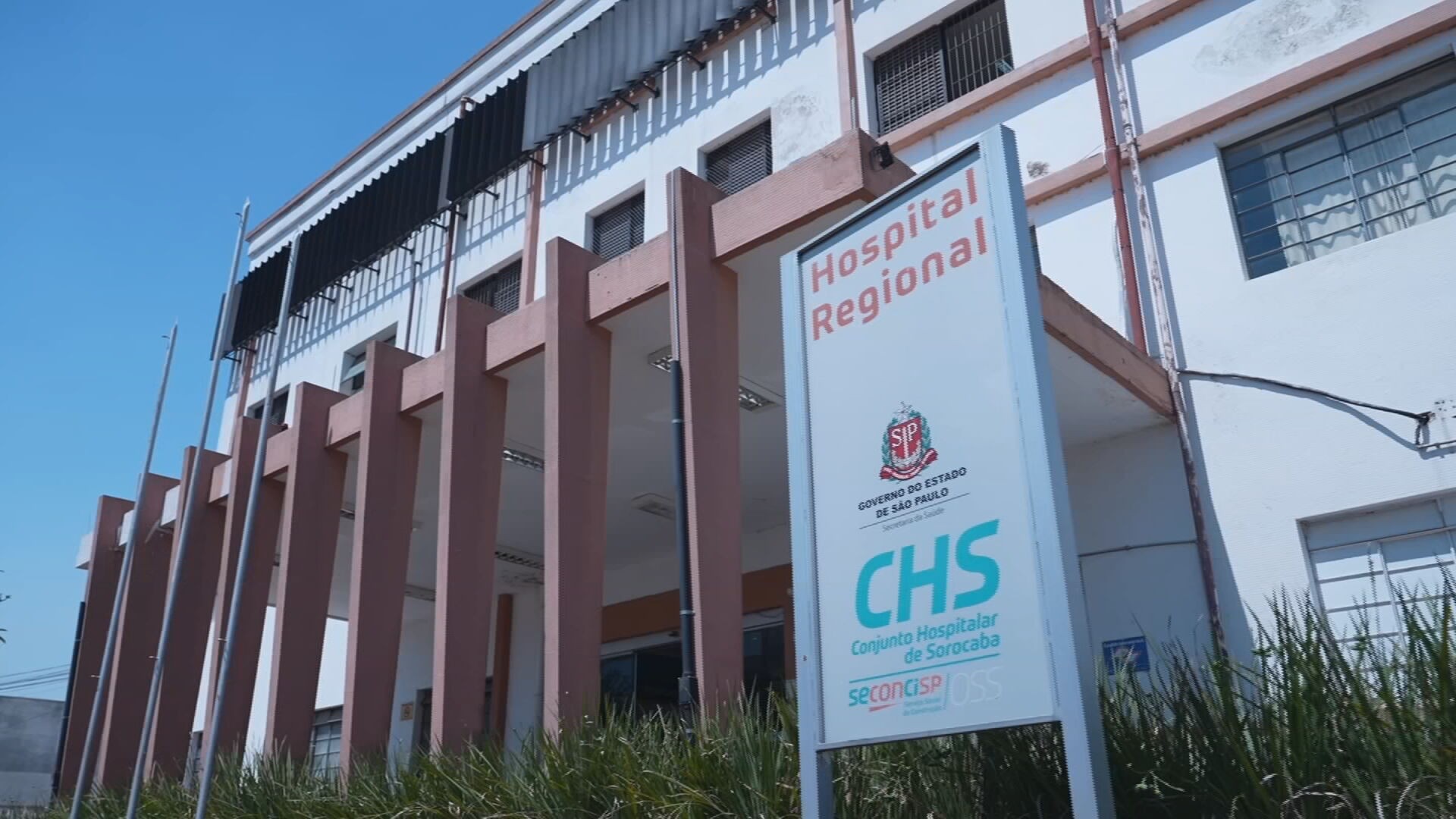
A newborn baby was discovered in a bathroom trash bin at a private hospital in Sorocaba, São Paulo state, Brazil, on Sunday, November 19th. Police were alerted to the situation and found that hospital staff had already begun providing medical attention to the infant. The baby was subsequently transported alive to the Sorocaba Hospital Complex (CHS) by the Mobile Emergency Care Service (SAMU). Authorities suspect the infant may belong to a minor patient who presented at the hospital complaining of vaginal bleeding. The local Child Protective Services (Conselho Tutelar) and a duty-bound police delegate were notified. The potential mother and her guardians were taken to the police station, where the family denied the baby was hers, prompting a request for medical tests to confirm parentage. The Civil Police are investigating the incident. The Evangélico de Sorocaba Hospital confirmed the event, stating that medical staff immediately provided emergency care to the newborn found in the emergency room's restroom. The hospital is cooperating fully with authorities. The baby was transferred alive to the CHS, and the hospital expressed solidarity and wished for the infant's full recovery. Child Protective Services confirmed the incident but has not yet issued a statement.
This incident highlights critical failures in maternal healthcare access and support systems for vulnerable minors. The discovery of a newborn in a hospital's waste bin points to potential gaps in hospital protocols for identifying and assisting at-risk pregnancies, particularly those involving minors who may fear reporting their condition. The subsequent investigation into parentage and the family's denial underscore the complex social and legal challenges surrounding adolescent pregnancy and potential abandonment. Moving forward, robust public health initiatives focusing on reproductive education, accessible counseling services, and non-judgmental support for pregnant minors are essential. Strengthening hospital procedures for identifying and responding to potential cases of distress or concealment could prevent such tragic circumstances and ensure the well-being of both mother and child.
AI-generated to prompt reflection — not editorial opinion, not advice, not a statement of fact. How this works.