Newborn transferred from Fernando de Noronha to Recife via air ambulance
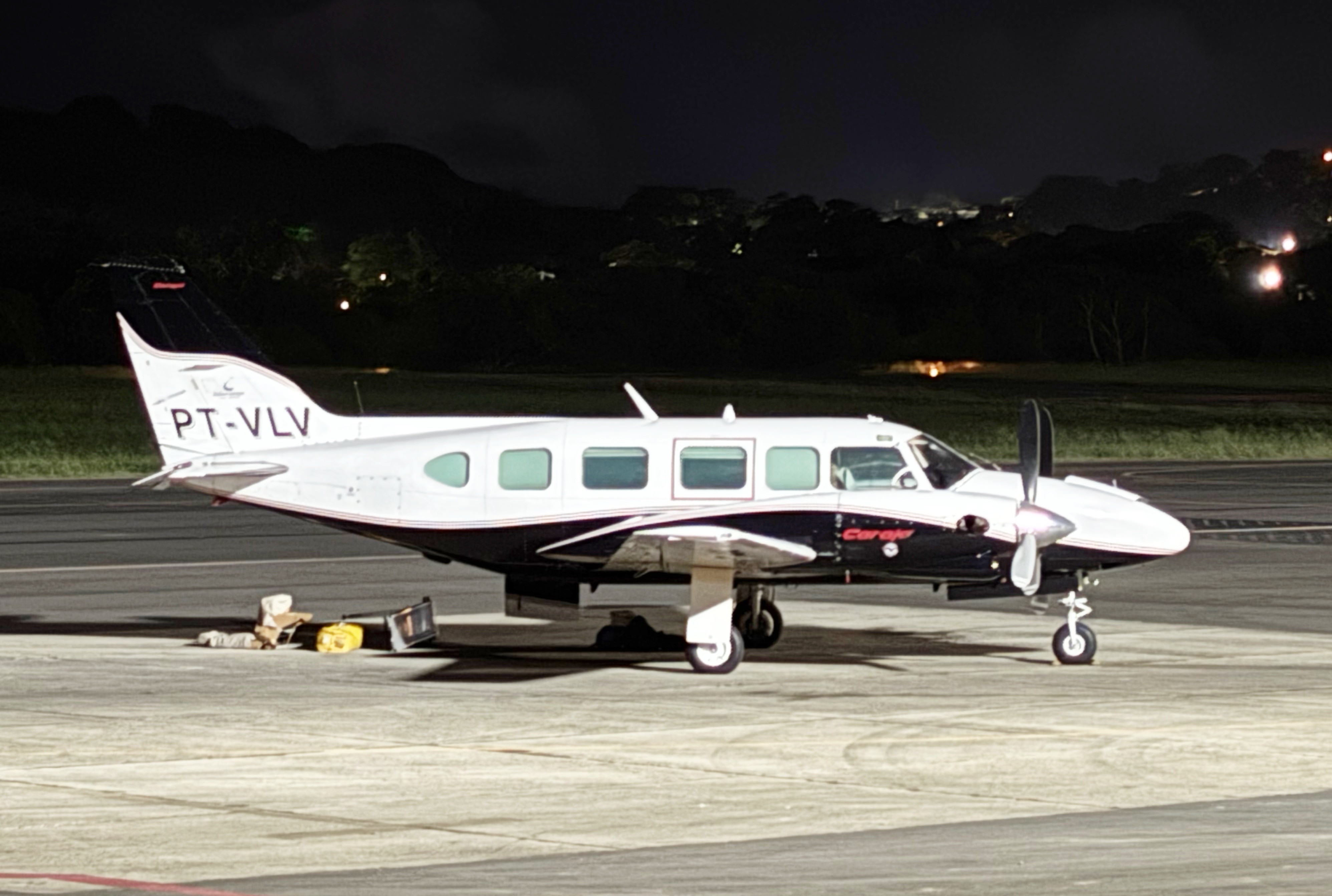
A newborn baby, born on Sunday, February 26th, in Fernando de Noronha, was transferred to Recife early Monday, February 27th, via air ambulance due to a clinical complication. The infant was accompanied by a specialized medical team to ensure continuous care during the transport. The baby's 26-year-old mother will also travel to Recife on a commercial flight later on Monday. The Administration of Fernando de Noronha stated that the air ambulance was equipped only for the medical team and the child, necessitating the mother's separate travel. The newborn is currently in stable condition and receiving specialized care in the Neonatal Intensive Care Unit (NICU) at Hospital Maria Lucinda in Recife.
Parturition has been prohibited in Fernando de Noronha since 2004, as the island's Hospital São Lucas is of medium complexity and lacks a maternity ward or NICU. The Pernambuco government cited Ministry of Health regulations, which mandate that births occur in maternities with specialized teams. Consequently, pregnant individuals are required to leave Noronha by their 28th week of gestation, with the island administration covering travel and accommodation expenses on the mainland. The last recorded birth of a resident on the island was not specified, but a tourist gave birth in 2021, and prior to that, a birth occurred in 2018 after a 12-year hiatus. The prohibition has sparked debate, with residents questioning their right to give birth on the island, a topic explored in the 2021 documentary "Proibido Nascer no Paraíso."
The transfer of a newborn from Fernando de Noronha to Recife highlights the logistical challenges and policy trade-offs inherent in providing specialized medical care to remote island communities. While the prohibition of births on the island is framed as a regulatory necessity for ensuring specialized care, it raises questions about maternal autonomy and the potential psychological impact of mandatory relocation during pregnancy. The policy's stated aim is to guarantee better health outcomes for newborns by leveraging mainland medical infrastructure. However, this approach necessitates significant public expenditure on transport and accommodation, and may not fully account for the socio-cultural implications for long-term residents. Future considerations could explore models that balance the need for specialized facilities with the desire for localized birth experiences, potentially through enhanced telemedicine or periodic deployment of specialized medical teams to the island, thereby mitigating both the risks of travel and the disruption to families.
AI-generated to prompt reflection — not editorial opinion, not advice, not a statement of fact. How this works.