Newly discovered exoplanet was hidden in data for 11 years
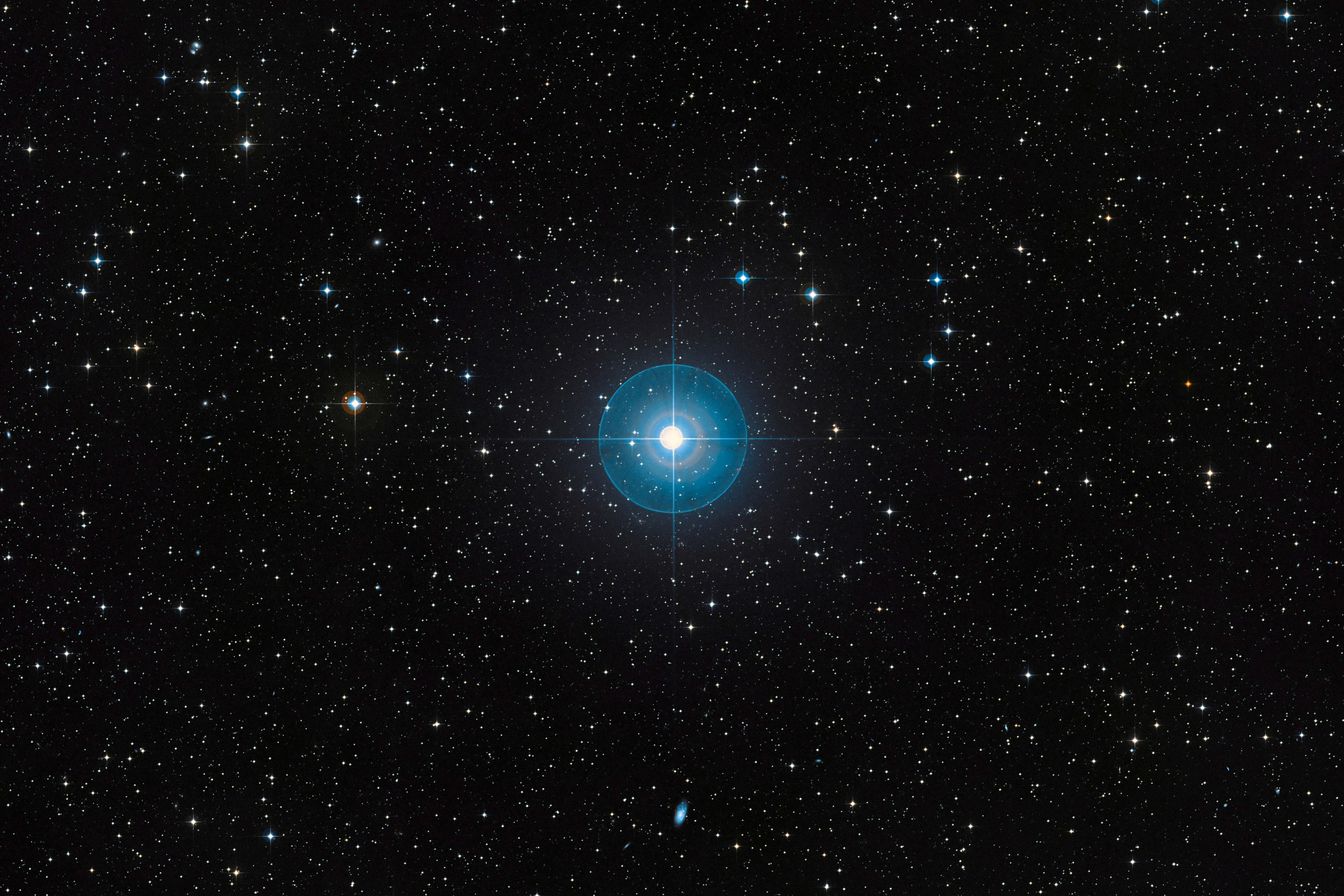
Astronomers have announced the discovery of a faint exoplanet orbiting the young star Beta Pictoris, which had remained hidden in observational data for over a decade. The planet, described as the faintest ever detected via direct imaging from Earth, was independently found by two separate teams using different telescopes within days of each other in late 2023. One team, led by scientists from Scotland and Germany, utilized the European Southern Observatory's Very Large Telescope in Chile. They later reviewed archival data to confirm the planet's orbit, which had been obscured for 11 years by the glare of its host star and two other known planets in the system. The second team, based in California, made their discovery using NASA's James Webb Space Telescope, requiring only two observations. Both research groups published their findings in the Astrophysical Journal Letters. The newly found planet is slightly larger than Jupiter and has an orbital period of 91 years around Beta Pictoris, a star approximately 63 light-years away in the constellation Pictor. Researchers believe the planet resembles a very young Jupiter, formed within a system that is only about 20 million years old, compared to our solar system's 4.5 billion years. While giant planets have already formed in this system, scientists suggest that smaller, rocky planets might still be in the process of formation. Direct imaging is a rare method for exoplanet detection, with less than 100 of the over 6,000 confirmed exoplanets found this way, contrasting with the more common transit method.
The discovery of an exoplanet previously obscured by stellar glare highlights the persistent challenges and evolving methodologies in direct exoplanet imaging. This event underscores the value of re-examining archival data with advanced analytical tools and new observational capabilities, such as those provided by the James Webb Space Telescope. The independent verification by two teams reinforces the robustness of the finding, while the planet's characteristics offer insights into planetary formation processes in young stellar systems. Future research will likely focus on characterizing this planet's atmosphere and composition, potentially revealing more about the diversity of planetary architectures and the conditions under which gas giants form and evolve, especially in systems with ongoing terrestrial planet formation.
AI-generated to prompt reflection — not editorial opinion, not advice, not a statement of fact. How this works.