Newsom Criticizes Trump Over Economic Polls Causing White House Concern
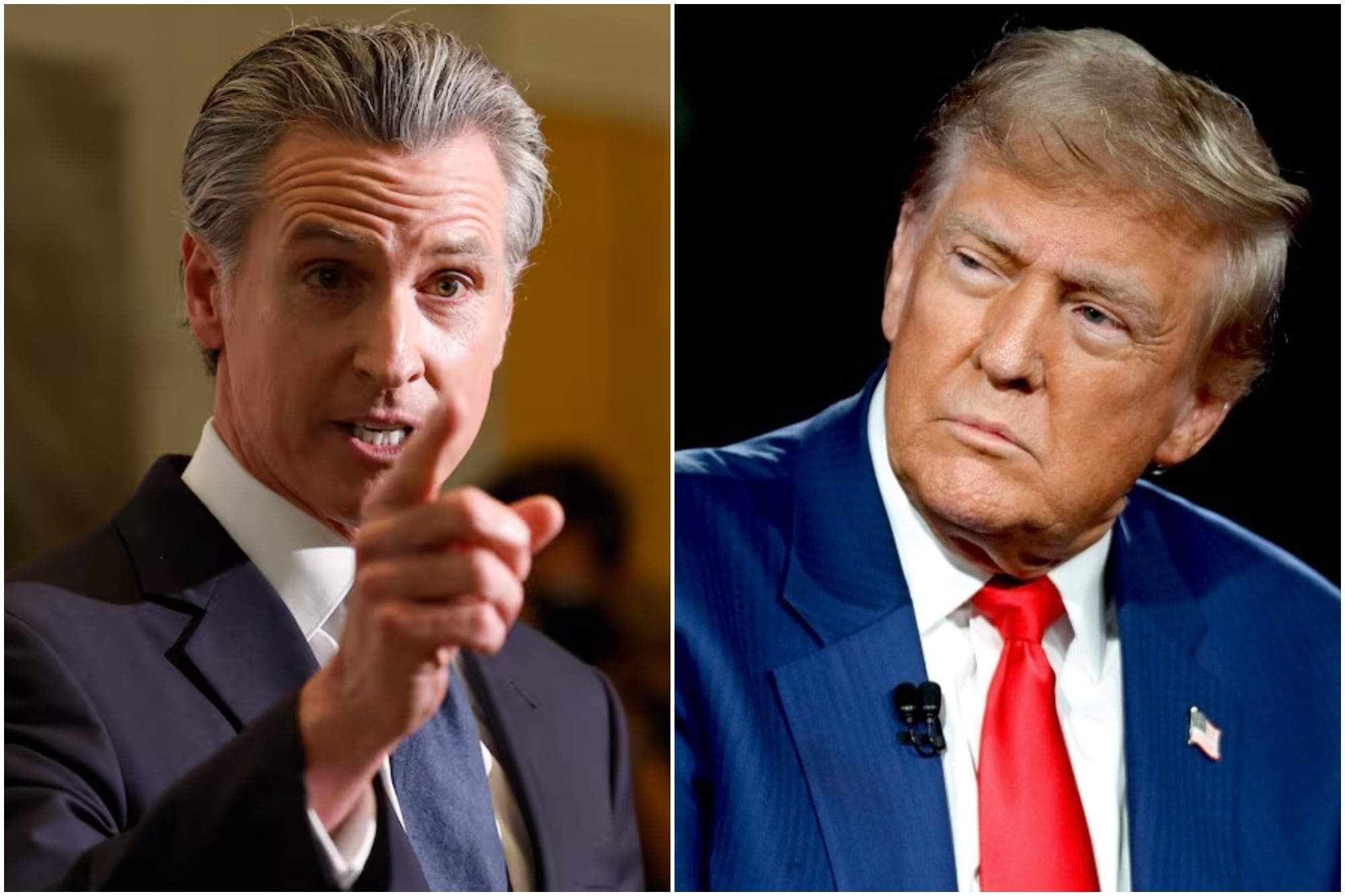
California Governor Gavin Newsom has launched a strong criticism against former President Donald Trump, specifically targeting his rhetoric on the economy. This move comes in response to a new poll that has reportedly generated concern within the White House. The poll's findings on economic sentiment appear to be the catalyst for Newsom's public statements. He is highlighting specific numbers from the survey that are causing alarm among those in the current administration. The exact details of the poll and the specific economic indicators it measures have not been fully disclosed, but it is clear that the results are seen as unfavorable or worrying for the incumbent party. Newsom's critique suggests a strategic political maneuver, aiming to counter Trump's narrative and potentially influence public perception of the economy ahead of future electoral cycles. The situation underscores the ongoing political tensions and the importance of economic indicators in shaping public opinion and campaign strategies.
Governor Newsom's public criticism of former President Trump, prompted by economic polling data, highlights the critical role of economic sentiment in electoral politics. The concern within the White House suggests a potential disconnect between official economic narratives and public perception, or a vulnerability to specific polling trends. This dynamic illustrates how political actors leverage economic data, both favorable and unfavorable, to shape public discourse and gain strategic advantages. Analyzing the underlying methodologies of such polls and the specific economic factors influencing public opinion will be crucial for understanding future political strategies and potential policy responses. The interplay between economic performance, public perception, and political messaging remains a central challenge for governance and electoral success in the coming decade.
AI-generated to prompt reflection — not editorial opinion, not advice, not a statement of fact. How this works.