Newton Ishii, 'Japonês da Federal,' Exited as Cuiabá Deputy Secretary After 3 Months
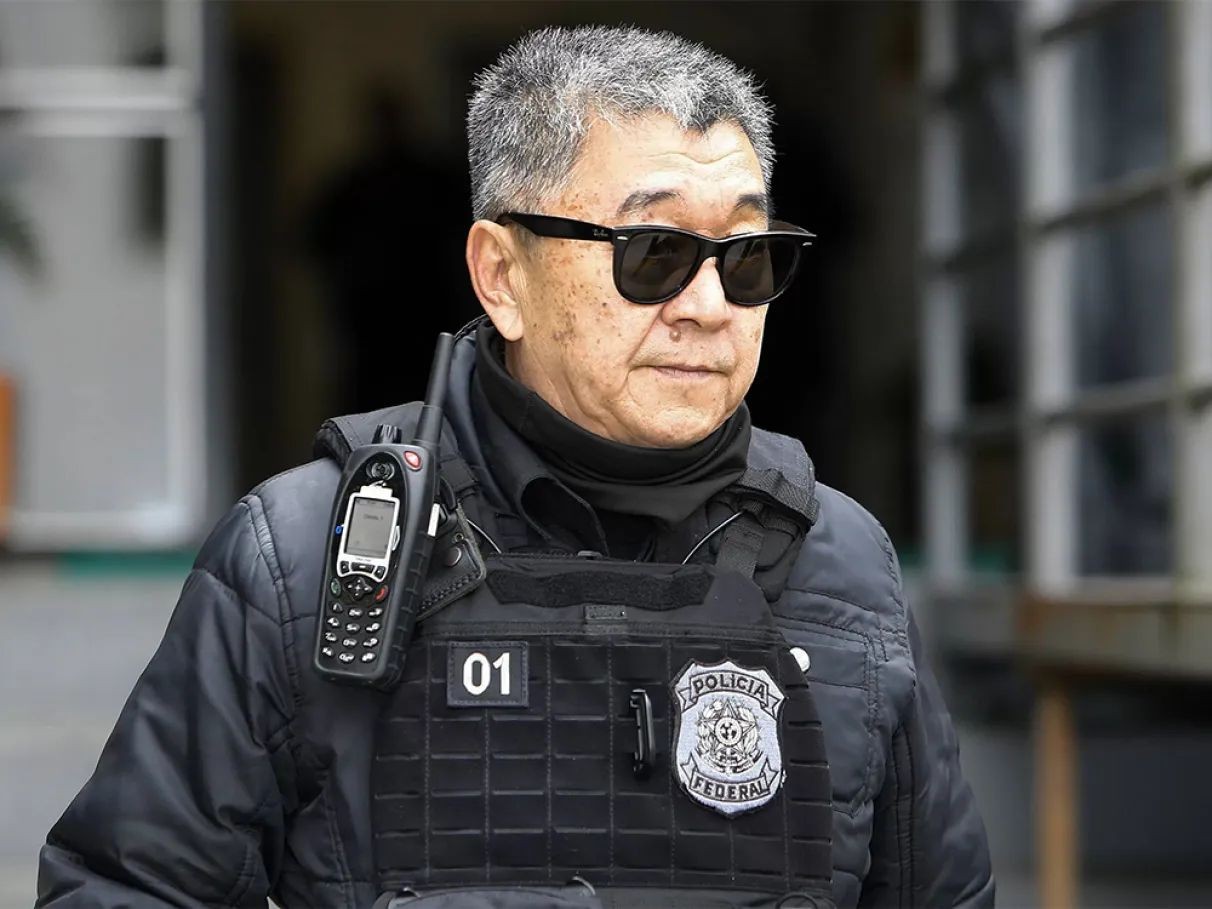
Newton Hidenori Ishii, widely known as "Japonês da Federal," has been removed from his position as deputy secretary of the Cuiabá City Hall, just three months after his appointment. The decision was officially published in the Municipal Gazette on Wednesday, June 1st. According to a statement from the Cuiabá City Hall, Ishii is returning to his home state of Paraná to be closer to his family. The city hall also indicated that no successor has yet been designated for the role. Ishii held a commissioned management, direction, and advisory position (GD-3) within the Municipal Secretariat of Government. Earlier in April, he had taken an eight-day temporary leave for his wedding, which was formalized through a temporary exoneration and subsequent reappointment, as commissioned roles do not include paid vacation. Ishii's appointment on March 2, 2026, sparked public discussion regarding the eligibility of individuals with criminal records for public office. This concern stemmed from his 2016 arrest for facilitating smuggling activities at the Paraná border. Prior to this, he gained notoriety for escorting prominent figures, including politicians, businessmen, and financial intermediaries, during judicial proceedings in the Operation Lava Jato investigation. At the time of his appointment, Cuiabá's Mayor Abilio Brunini stated that Ishii had presented a negative criminal record certificate.
The brief tenure of Newton Ishii as deputy secretary highlights the complexities of public appointments, particularly when individuals have past legal entanglements. While Ishii presented a clean criminal record certificate at the time of his hiring, his well-documented history, including involvement in smuggling and escorting figures during Operation Lava Jato, raises questions about the vetting processes for public service roles. This situation underscores a recurring tension between rehabilitation and public trust, and the potential for past associations to create reputational challenges for government entities. Future considerations for similar appointments might involve more robust background checks that extend beyond formal legal records to encompass publicly known associations and activities, balancing the potential for individuals to contribute with the imperative of maintaining public confidence in governance.
AI-generated to prompt reflection — not editorial opinion, not advice, not a statement of fact. How this works.