Nguluzane Residents Face Ongoing Hardship Six Months After Devastating Floods
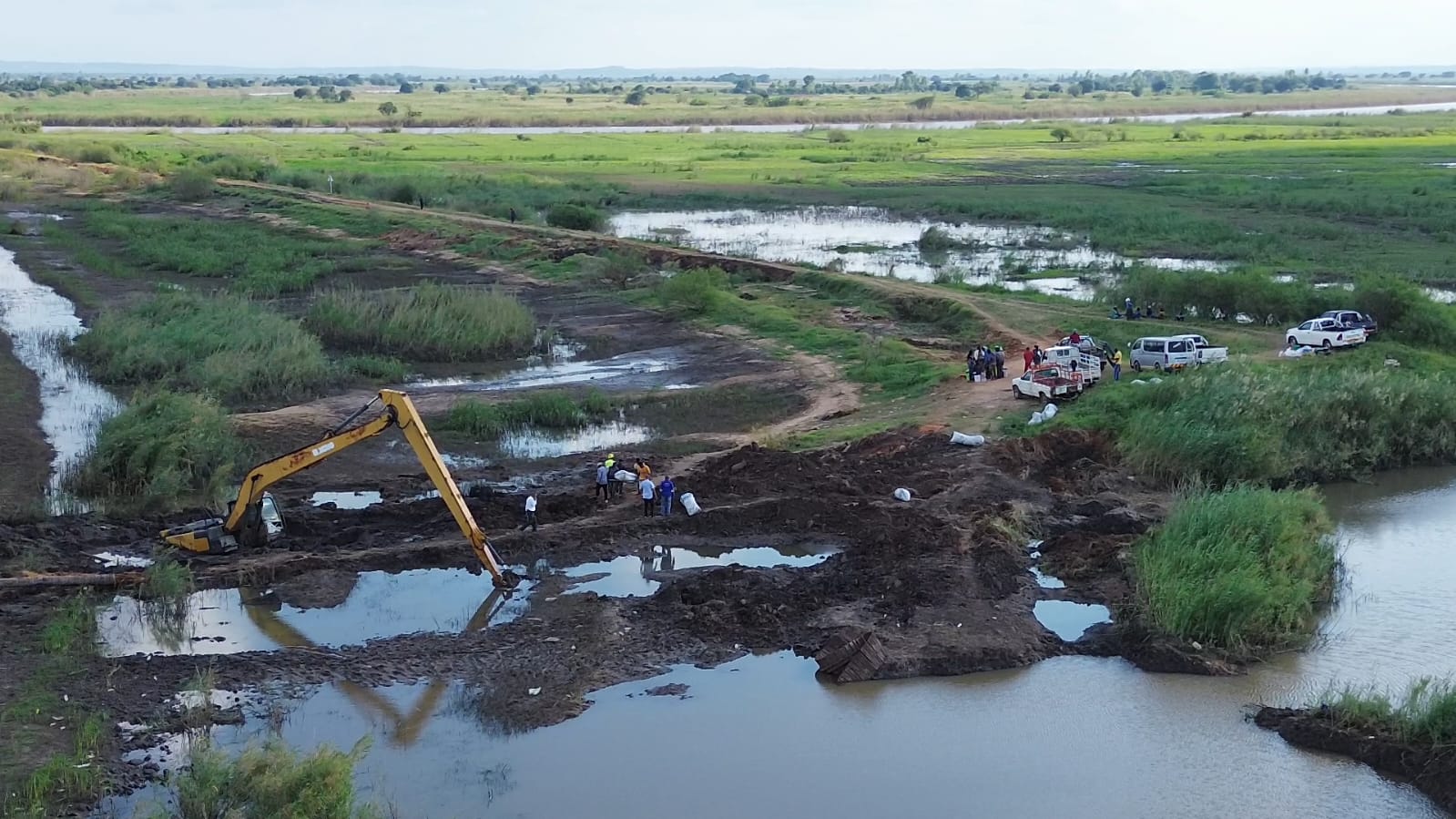
Six months after severe floods ravaged Nguluzane in Mozambique's Xai-Xai district, over 14,000 people remain in a state of extreme vulnerability. The disaster has left roads in disrepair, cut off electricity, destroyed agricultural production, and disrupted essential services. Residents report a lack of regular and sufficient aid, with one individual from Totoé stating they have received no food assistance since the floods. Daily life involves arduous journeys on foot, in open trucks, or makeshift boats on the Limpopo River to secure basic necessities and income, often through fishing or selling small goods. The 13-kilometer route to Xai-Xai, crucial for accessing markets and services, has become a perilous trek, significantly increasing operational costs for transporters due to constant tire damage and slippery conditions. Small vendors struggle to transport their goods, lamenting the lack of buyers due to the poor road conditions. The floods, which occurred in three successive waves between January and March, have also led to a sharp increase in the cost of living, with rice and salt becoming prohibitively expensive. Power outages and weak mobile network coverage further exacerbate the isolation, with some paying high fees just to charge their phones. The Xai-Xai district administrator, Avelina Nhanzimo, indicated that approximately 3,000 families still require assistance, acknowledging uncertainty regarding food supply. Efforts are underway to list affected families for a month's worth of food provisions. Meanwhile, Xai-Xai's mayor, Ossemane Adamo, announced structural interventions, including the restoration of the electrical grid and dike reconstruction, valued at approximately 60 million meticais, aimed at stabilizing the situation and mitigating future flood impacts. However, residents are demanding more comprehensive road rehabilitation, extending further than current plans.
Six months post-flood, the Nguluzane situation highlights systemic vulnerabilities in disaster recovery and infrastructure resilience. The persistent challenges faced by over 14,000 residents underscore the critical gap between immediate relief efforts and long-term sustainable rebuilding. The economic disruption, evidenced by increased living costs and transport difficulties, points to the fragility of local economies dependent on intact infrastructure. While government officials are initiating reconstruction projects, including dike repairs and power restoration, the community's demand for more extensive road rehabilitation suggests a misalignment between official plans and grassroots needs. This situation prompts consideration of decentralized infrastructure investment and community-led resilience planning, particularly in regions prone to climate-induced disasters. The long-term impact on livelihoods and the potential for recurring displacement necessitate a strategic focus on building adaptive capacity and ensuring equitable resource allocation to prevent a cycle of vulnerability.
AI-generated to prompt reflection — not editorial opinion, not advice, not a statement of fact. How this works.