NHAI Explains Controversial Speed Breakers After Public Outcry
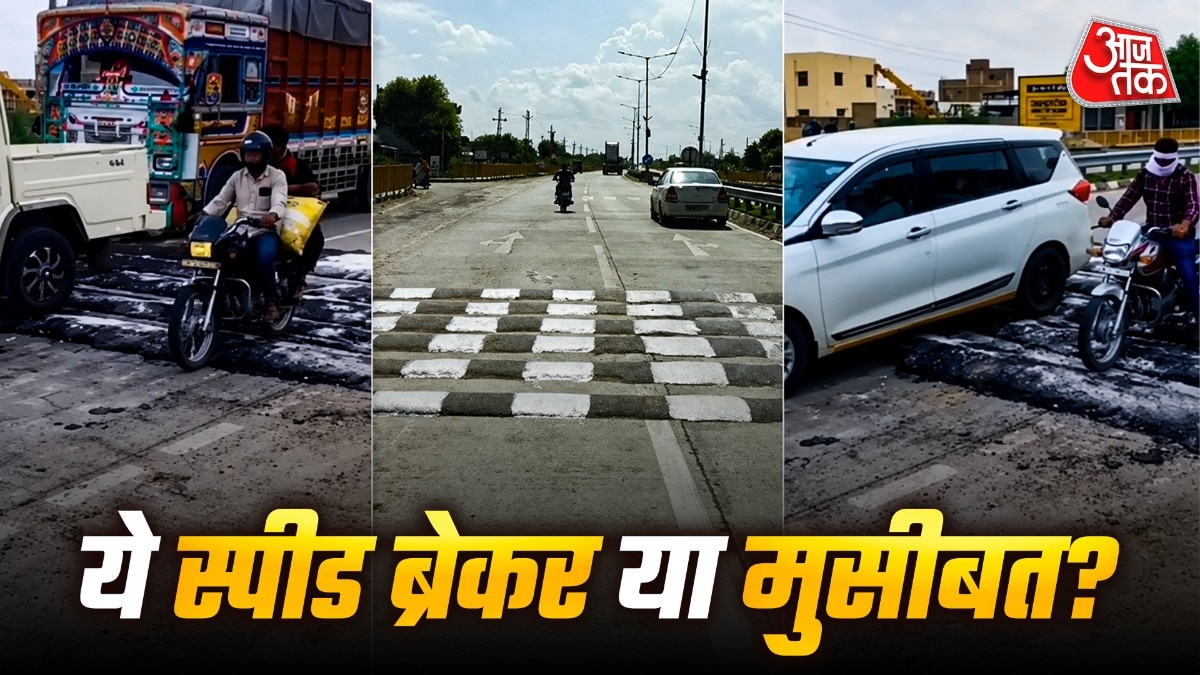
Speed breakers, originally intended to prevent accidents, have become a point of contention. The National Highways Authority of India (NHAI) initially dismissed concerns raised about these rumble strips. However, the situation changed dramatically after videos and images surfaced on social media, bringing the issue to public attention. These visuals highlighted the problematic nature of the speed breakers, leading to widespread discussion and criticism. The NHAI's initial stance was challenged by the evidence presented online, forcing the authority to re-evaluate its position. The controversy underscores the importance of public feedback and the impact of social media in holding authorities accountable. The NHAI's subsequent clarification aims to address the public's concerns and explain the rationale behind the installation of these speed breakers, while also acknowledging the issues that have arisen.
The incident highlights a common disconnect between infrastructure design intentions and real-world implementation, exacerbated by the rapid dissemination of information via social media. While the NHAI's stated goal of enhancing road safety is laudable, the public reaction suggests a failure in user-centric design or execution. The authority's initial dismissal of concerns, followed by a shift in response, indicates potential governance challenges in incorporating immediate feedback loops. Moving forward, NHAI and similar bodies could benefit from more robust community consultation processes and pilot testing phases to mitigate unintended consequences and build public trust, especially as the volume and speed of traffic continue to evolve in the coming decade.
AI-generated to prompt reflection — not editorial opinion, not advice, not a statement of fact. How this works.
