NHS Faces Billions in Diversions for New Medicines Under US Trade Deal
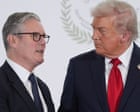
The UK's National Health Service (NHS) is set to divert billions of pounds away from essential services to fund new medicines, as stipulated by the US-UK trade deal finalized in December. An analysis suggests this diversion could potentially result in over 200,000 excess deaths. While ministers have framed the agreement as beneficial for British drug exports facing US tariffs and for ensuring patient access to crucial medications, critics contend that the Labour party succumbed to pressure from former US President Donald Trump. The details of this arrangement and its implications are under scrutiny.
The reported diversion of substantial funds from core NHS services to accommodate new medicines, driven by the terms of a US-UK trade deal, highlights a critical tension between public health imperatives and international trade agreements. This situation prompts an examination of how trade pacts are structured to ensure they do not inadvertently compromise national healthcare systems or lead to adverse public health outcomes. Future trade negotiations will likely need to incorporate more robust mechanisms for safeguarding essential public services and ensuring equitable access to medical advancements, balancing economic benefits with the fundamental right to health.
AI-generated to prompt reflection — not editorial opinion, not advice, not a statement of fact. How this works.