Nicaragua: Confiscated Assets Now Being Resold or Transferred
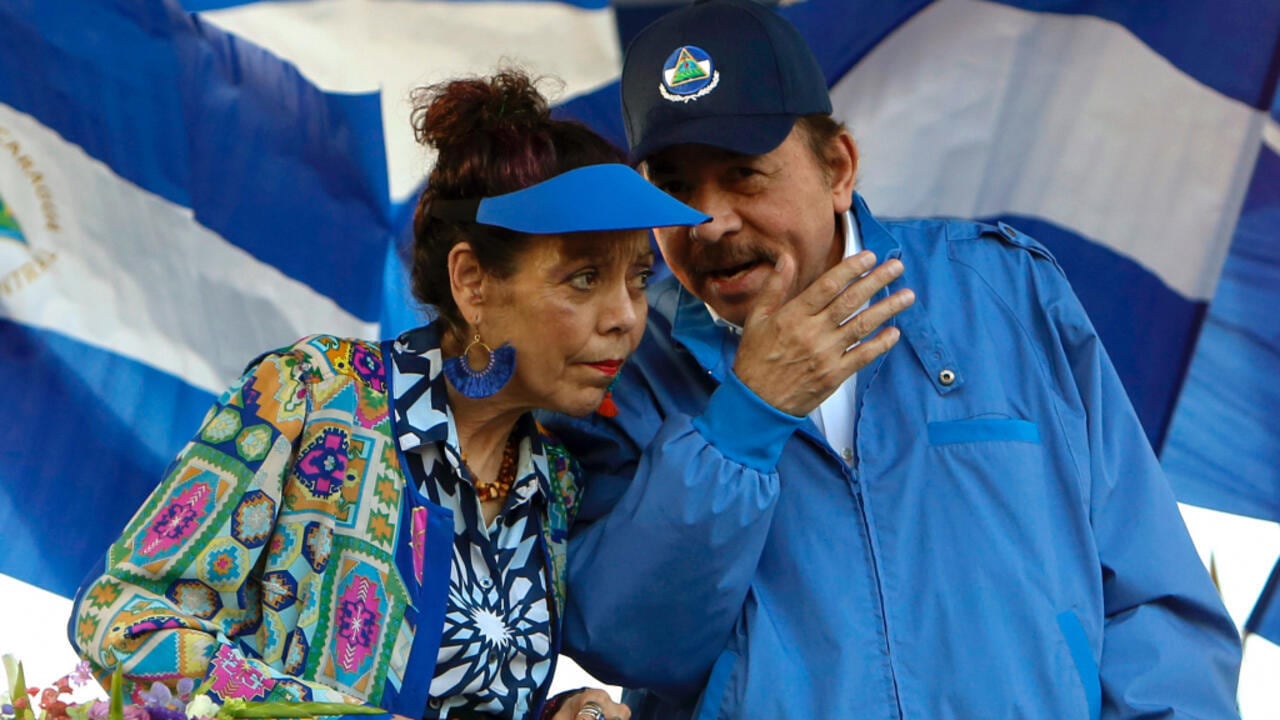
Nicaragua's government, under Daniel Ortega and Rosario Murillo, has entered a new phase of asset confiscation. Initially targeting opponents, journalists, and exiled defenders, the policy now involves the sale, transfer to third parties, or conversion of these properties into private businesses. These businesses are reportedly linked to the ruling party. Analysts and victims suggest this strategy aims to obstruct any future restitution of the seized assets. Furthermore, the process appears designed to legitimize the dispossession of these properties under a veneer of legality. This shift represents an escalation in the government's handling of assets confiscated from perceived dissidents.
The reported repurposing of confiscated assets in Nicaragua, moving from simple seizure to resale and integration into private, regime-linked businesses, suggests a strategic effort to create irreversible economic realities. This approach may be intended to complicate future legal challenges and restitution efforts by establishing new ownership structures and economic dependencies. From a governance perspective, such actions can create long-term economic distortions and undermine property rights frameworks, potentially impacting international investment and domestic economic stability. The transition from confiscation to resale also raises questions about the underlying legal and ethical justifications for the initial seizures and the subsequent transactions, potentially creating a complex web of claims and counter-claims for any future administrations.
AI-generated to prompt reflection — not editorial opinion, not advice, not a statement of fact. How this works.