Nicaragua moves to abolish elections, drawing international condemnation
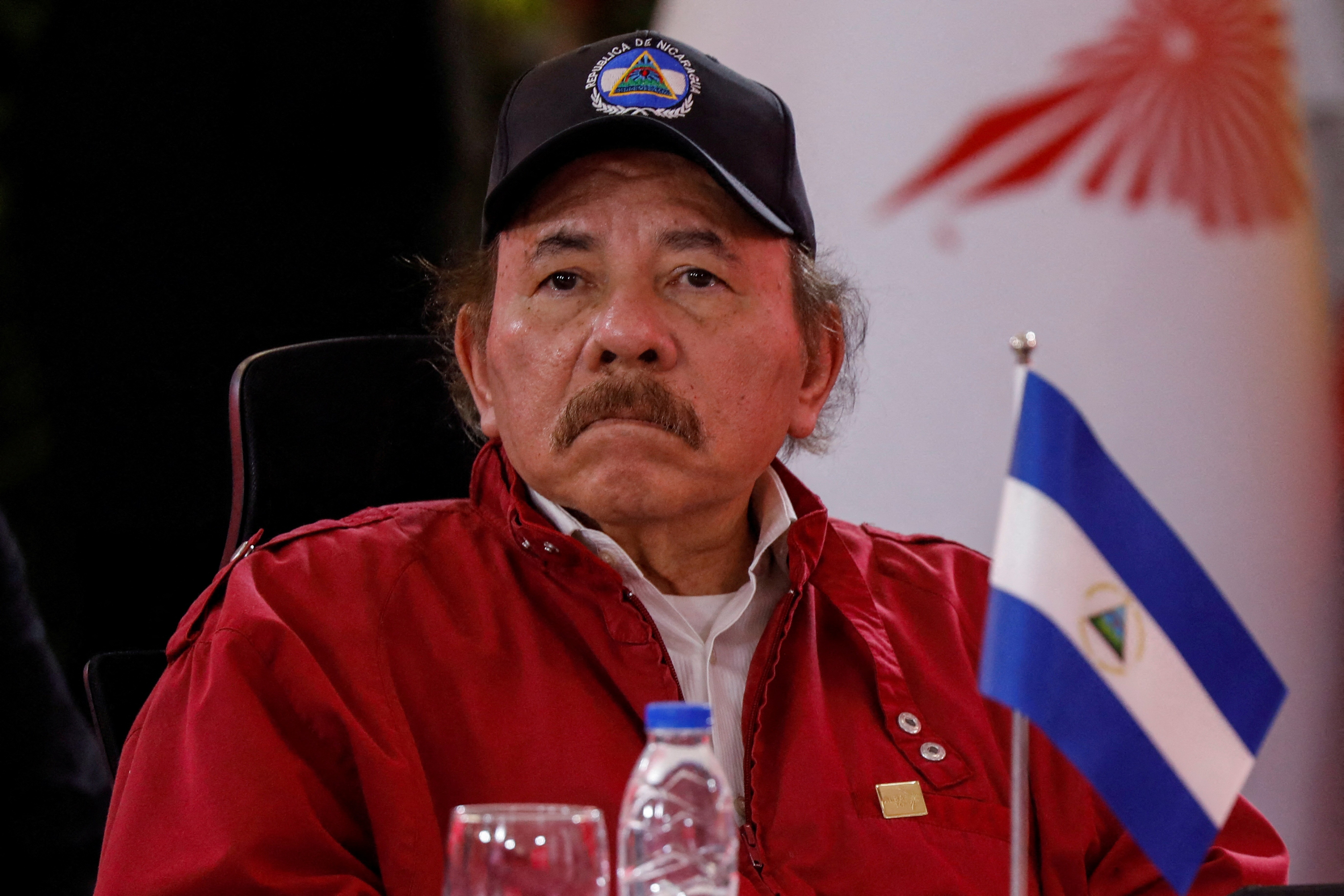
Nicaragua's Congress has begun a process to eliminate the country's electoral system, following President Daniel Ortega's recent declaration that "there will be no more elections." Opposition leader Juan Sebastián Chamorro described the situation as Nicaragua becoming "the North Korea of Latin America." Ortega, who first came to power after the 1979 Sandinista Revolution and returned in 2007, stated that parties supported by the United States would never regain power. The President of the National Assembly, Gustavo Porras, announced that lawmakers would vote in early August on excluding opposition parties from future elections, asserting that Nicaraguans alone decide their electoral process. Porras indicated that electoral authorities would implement measures to prevent any perceived manipulation by external forces. This move comes after years of violent government repression against mass mobilizations demanding democratic reforms. Although new presidential elections were constitutionally due by the end of this year, a 2025 reform led by Ortega's regime postponed them to 2027, also establishing his wife, Rosario Murillo, as co-president. Ortega's latest statements suggest even these delayed elections may not occur. The opposition views this as confirmation of democracy's end in Nicaragua, with Chamorro comparing Ortega's plan to single-party systems in China, Cuba, or North Korea. Chamorro himself was previously a presidential candidate in 2021, arrested, and later deported in 2023 among 222 opposition figures deemed "traitors to the homeland." U.S. Secretary of State Marco Rubio condemned the escalating repression and instability threatening U.S. national security. The UN High Commissioner for Human Rights, Volker Türk, expressed concern over the severe restrictions on fundamental freedoms, the dismantling of civic space, and the erosion of the rule of law, urging Nicaraguan authorities to restore these elements and allow all citizens to vote and run for office.
The Nicaraguan government's initiative to dismantle its electoral process represents a significant consolidation of power, moving away from even nominal democratic participation. This action, framed by the regime as a defense against foreign interference, effectively eliminates avenues for political opposition and dissent. The international community's condemnation highlights a growing concern over authoritarian drift in Latin America, potentially impacting regional stability and international relations. The long-term implications involve a further entrenchment of a single-party or single-family rule, which could stifle economic development and human capital due to a lack of accountability and competitive governance. This trajectory raises questions about future geopolitical alignments and the potential for increased international pressure or isolation.
AI-generated to prompt reflection — not editorial opinion, not advice, not a statement of fact. How this works.