Nicaragua's Congress to Draft Plan Ending Electoral Process, President Ortega Orders
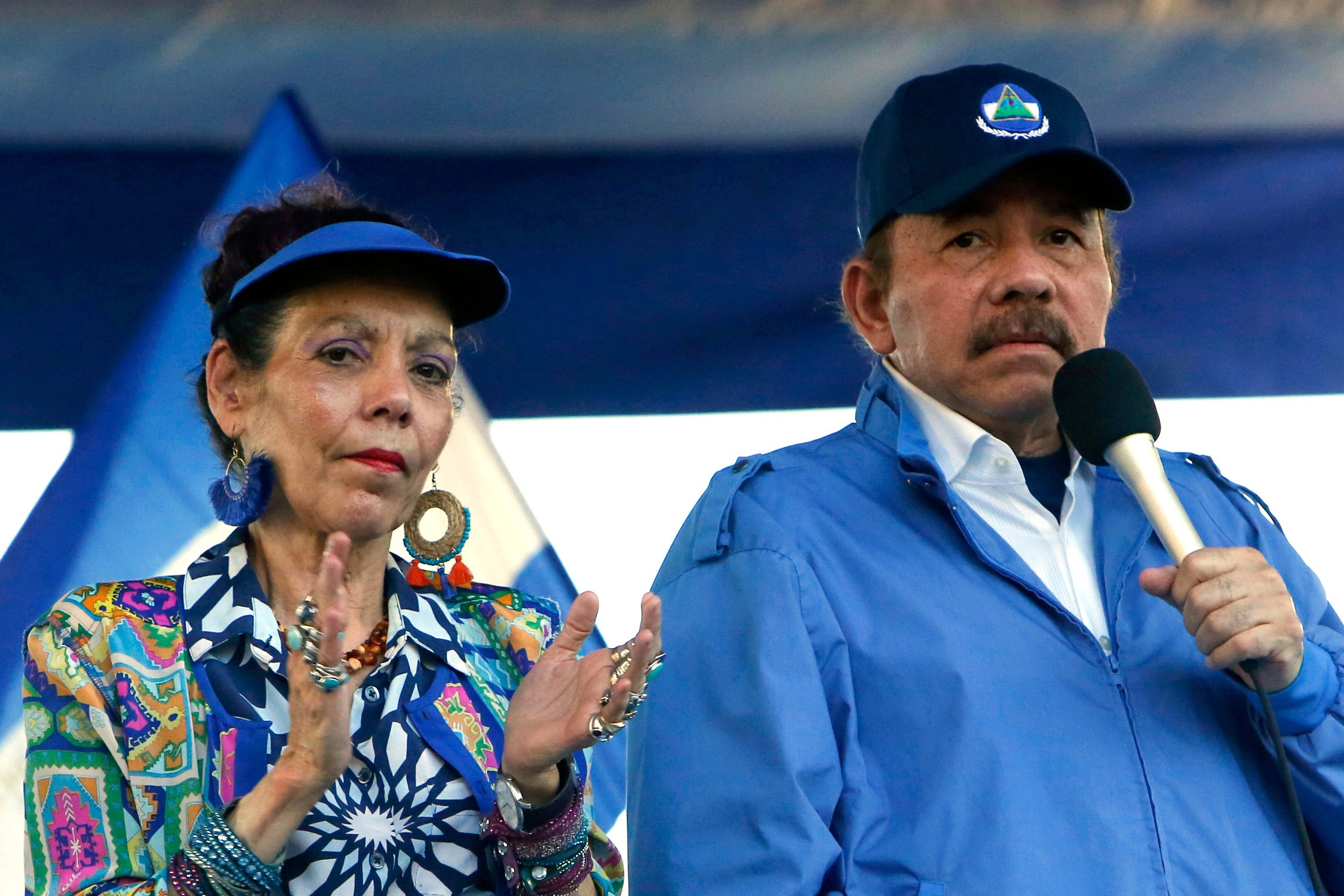
The Nicaraguan Congress has initiated a plan to abolish the country's electoral process, following directives from President Daniel Ortega. This move, announced by the Speaker of the House, Daniel Porras, on Wednesday, March 22nd, effectively formalizes the nation's dictatorial regime. President Ortega, who has governed since 2007 and maintains control over parliament, revealed his intentions on Sunday, March 20th, during commemorations of the 47th anniversary of the Sandinista Revolution. He stated his aim to enact new legislation to erect a "wall" against any opposition. The Congress will consult with the Supreme Electoral Council to ensure the constitutional, legal, and formal steps for reforming the political system are met. The specific fate of current legislative representatives and their mandates remains unaddressed in the announcement. Ortega's administration has faced accusations of undermining democracy through protest suppression, jailing opponents, and compelling hundreds of thousands of Nicaraguans into exile. The 2021 elections were heavily disputed due to allegations of fraud and the imprisonment of candidates. The UN High Commissioner for Human Rights, Volker Türk, urged the government to reinstate the rule of law and ensure free elections, while U.S. Secretary of State Marco Rubio affirmed Nicaraguans' right to choose their leaders through voting.
The reported legislative initiative in Nicaragua signals a formal consolidation of executive power, shifting away from electoral mechanisms that, even if flawed, provide a semblance of democratic process. This move appears to prioritize regime stability and control over political participation, potentially driven by incentives to maintain current leadership and prevent challenges to authority. From a long-term perspective, the erosion of electoral pathways can lead to increased internal dissent and external diplomatic isolation, creating systemic vulnerabilities. The international community's calls for restoring the rule of law and ensuring free elections highlight a fundamental tension between sovereign governance and internationally recognized democratic norms. Future developments will likely depend on the regime's capacity to manage internal pressures and the effectiveness of international diplomatic and economic responses.
AI-generated to prompt reflection — not editorial opinion, not advice, not a statement of fact. How this works.