Nicaragua's Electoral System Abolished, Cementing Ortega's Autocratic Rule
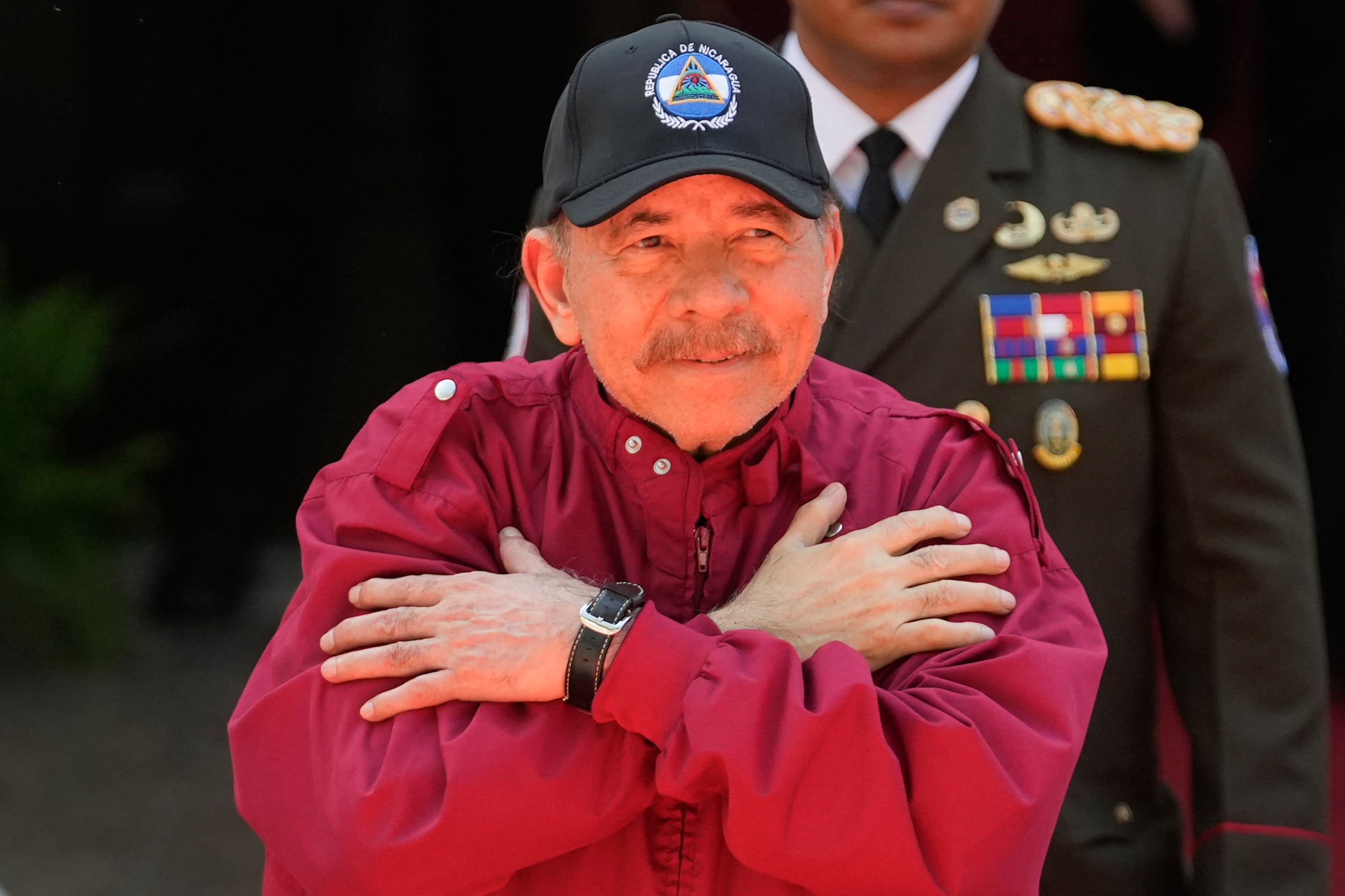
Nicaraguan President Daniel Ortega has announced the eradication of electoral processes, effectively sealing the country's autocratic drift and paving the way for a new family dynasty. This move marks a significant consolidation of power, eliminating any semblance of democratic participation. The decision by the Central American nation's leader signals a definitive shift away from democratic governance. Observers view this as the culmination of a long-standing trend towards authoritarianism under the Ortega regime. The abolition of elections removes a key mechanism for political accountability and citizen representation. This development is seen by many as solidifying the Ortega family's grip on power for the foreseeable future. The international community is likely to react to this further erosion of democratic norms in Nicaragua. The implications for human rights and political freedoms within the country are profound. This action effectively ends the electoral chapter in Nicaragua's political history.
The decision to abolish electoral processes in Nicaragua represents a fundamental shift in governance structure, moving away from representative democracy towards a system where power is concentrated and hereditary succession is implicitly favored. This move may be analyzed through the lens of institutional decay, where checks and balances are systematically dismantled to ensure perpetual control. From a long-term perspective, such a concentration of power often leads to economic stagnation and increased social inequality, as accountability mechanisms diminish. The international community's response will be critical in shaping future diplomatic and economic relations, potentially isolating the regime. This action raises questions about the sustainability of autocratic models in an era increasingly defined by global interconnectedness and demands for transparency.
AI-generated to prompt reflection — not editorial opinion, not advice, not a statement of fact. How this works.