Nicaragua's Ortega Abolishes Elections, Extending His Rule
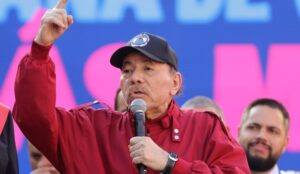
Nicaraguan President Daniel Ortega has announced that the country will no longer hold elections. This decision effectively cancels the vote scheduled for November 2027 and signals an extension of his nearly two-decade-long rule, as reported by the Associated Press. Ortega made this declaration on Sunday during a commemoration of the anniversary of the Sandinista Revolution. The announcement, made during a significant national event, underscores a shift away from electoral processes as a mechanism for political transition in Nicaragua. This move consolidates power under Ortega's leadership, raising concerns about democratic governance and the future political landscape of the nation. The implications of this decision are expected to be far-reaching, impacting both domestic politics and international relations.
President Ortega's decision to abolish elections in Nicaragua represents a significant departure from established democratic norms and electoral processes. By eliminating future voting, the administration is effectively bypassing the need for popular mandate renewal, thereby consolidating executive power and ensuring continuity of leadership. This move, framed within the context of historical commemoration, signals a potential shift in governance structures, prioritizing centralized control over participatory democracy. The long-term implications may involve increased political isolation and scrutiny from international bodies, while domestically, it could reshape the dynamics of political opposition and civil society engagement. The sustainability of such a governance model in the face of evolving global expectations for democratic accountability remains a key consideration.
AI-generated to prompt reflection — not editorial opinion, not advice, not a statement of fact. How this works.