Nicaragua's Ortega Abolishes Elections, US Criticizes Authoritarianism
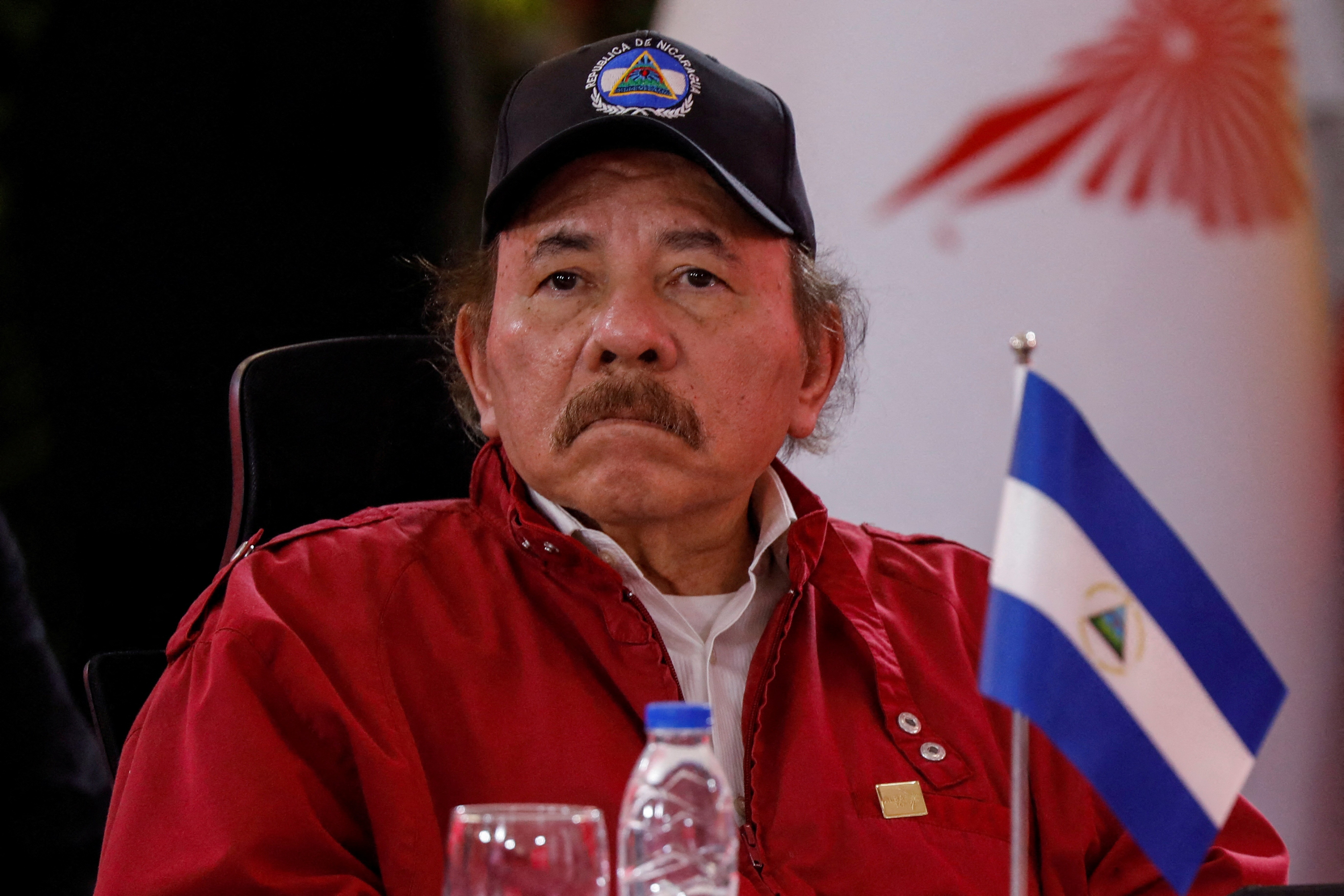
Nicaraguan President Daniel Ortega has announced that the country will no longer hold presidential elections, a move that has drawn sharp criticism from the United States government. U.S. Secretary of State Antony Blinken stated that Ortega's declaration exposes his "true authoritarian nature" and that he and Vice President Rosario Murillo have abandoned any pretense of popular consent. Ortega, who has been in power for nearly two decades since his 2007 election, has increasingly consolidated his rule through autocratic measures. The 2021 elections were heavily contested due to the arrest of opponents and the criminalization of dissent. Analysts and exiled opposition figures view this latest decision as cementing a "family dictatorship" and reflecting the couple's fear of growing opposition movements. Tiziano Breda, a senior analyst at Armed Conflict Location & Event Data, described the regime as a "consolidated and full family dictatorship," suggesting that instead of fraudulent elections, they have opted to eliminate electoral competition entirely. Exiled presidential candidate Felix Maradiaga interpreted Ortega's comments as a "confession of fear" and an admission of his intention to prevent his "tyrannical project" from facing democratic competition. The United Nations Human Rights Council has also accused Ortega and Murillo's government of transforming Nicaragua into an "authoritarian state" and systematically violating human rights, particularly following the violent crackdown on 2018 protests that resulted in over 300 deaths. Ortega's recent actions, including constitutional reforms that appointed his wife as "co-president" and extended presidential terms, have effectively stifled opposition, with many leaders now exiled. A ranking by Sweden's V-DEM institute places Ortega among the lowest in electoral autocracies.
President Ortega's declaration to abolish elections signifies a definitive shift from electoral autocracy to outright dictatorship, removing any facade of democratic process. This move prioritizes regime stability over any semblance of popular legitimacy, likely driven by a strategic assessment that maintaining power through controlled elections, even fraudulent ones, carries increasing risks of internal or external backlash. The international community, including the U.S. and UN, has condemned this action, highlighting a growing global consensus against authoritarian consolidation. Future geopolitical dynamics will likely involve increased sanctions and diplomatic isolation, potentially impacting Nicaragua's economic and social development. This event underscores a broader trend where leaders, facing declining popular support and increasing internal dissent, may opt for the complete suppression of political competition as a means of self-preservation, rather than engaging in reforms that could challenge their authority.
AI-generated to prompt reflection — not editorial opinion, not advice, not a statement of fact. How this works.