Nicaragua's Ortega Blocks Opposition in Democratic Elections
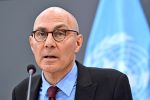
Nicaragua's leader, Daniel Ortega, has declared that the Central American nation will no longer permit democratic elections that include opposition participation. This decision effectively bars opposition parties from competing in future electoral processes. Ortega's government has been accused by various international bodies and human rights organizations of systematically suppressing dissent and undermining democratic institutions. The move is seen by critics as a further consolidation of power by the current regime and a significant blow to democratic aspirations in Nicaragua. International observers have expressed deep concern over the erosion of civil liberties and the absence of a free and fair electoral environment. The implications for Nicaragua's political future and its relationship with democratic nations are significant, potentially leading to increased international pressure and sanctions. This development follows a pattern of actions aimed at limiting political pluralism and consolidating authoritarian control.
Nicaragua's leadership has signaled a departure from democratic electoral norms by excluding opposition participation. This policy shift may reflect an incentive structure prioritizing regime stability over political competition, potentially driven by concerns over electoral outcomes. From a governance perspective, such actions can lead to systemic contradictions, where the stated aim of national representation diverges from the reality of limited political avenues. Looking ahead, this approach could exacerbate internal societal divisions and alter international relations, as democratic allies may reassess engagement based on adherence to electoral principles. The long-term sustainability of a governance model that restricts fundamental freedoms and electoral choice warrants careful consideration within the evolving global landscape of democratic accountability.
AI-generated to prompt reflection — not editorial opinion, not advice, not a statement of fact. How this works.