Nicaragua's Ortega Calls for Constitutional Reform Consultations Amid US Pressure
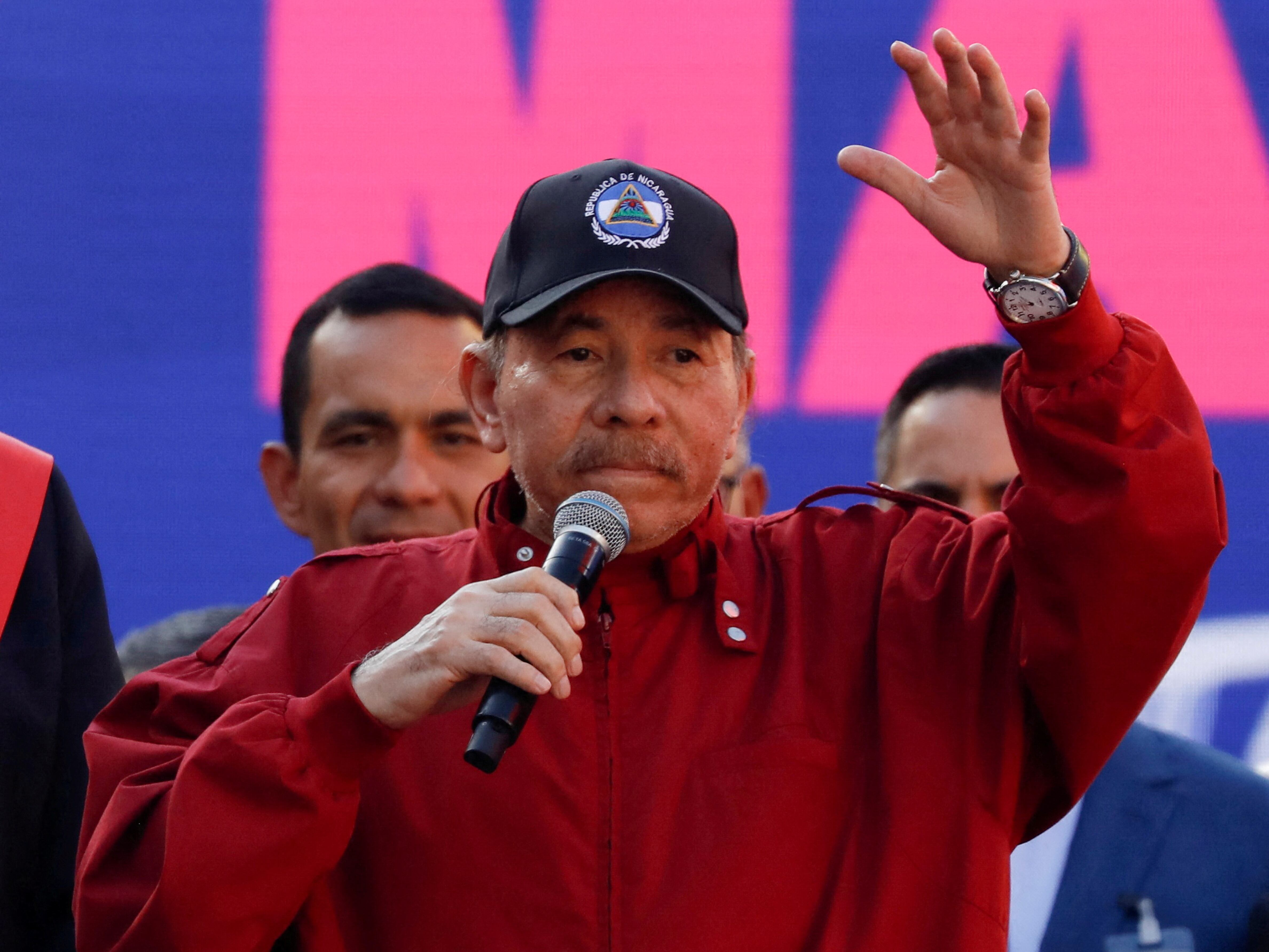
Nicaraguan President Daniel Ortega has announced consultations for his proposed constitutional reforms, a move that comes as the United States intensifies pressure on the region to take collective action against his administration. The U.S. is urging neighboring countries to adopt joint measures in response to what it describes as Ortega's efforts to undermine elections in Nicaragua. This political maneuver by Ortega occurs against a backdrop of growing international scrutiny and demands for democratic processes. The call for consultations, while presented as a step toward reform, is viewed by critics as a tactic to consolidate power and bypass genuine democratic engagement. The situation highlights the ongoing tension between the Nicaraguan government and international bodies, particularly the United States, over governance and electoral integrity. The U.S. has been vocal in its criticism of Nicaragua's political trajectory, advocating for a return to democratic norms and free and fair elections. The regional call for collective measures suggests a coordinated diplomatic strategy aimed at influencing Nicaragua's internal political landscape.
President Ortega's initiative to consult on constitutional reforms, juxtaposed with U.S.-led regional pressure, presents a complex dynamic of sovereignty and international influence. The U.S. strategy of encouraging collective regional action aims to leverage diplomatic and economic consensus to foster democratic accountability within Nicaragua. From a governance perspective, the move towards constitutional reform, if not accompanied by transparent and inclusive public discourse and adherence to established democratic principles, risks reinforcing centralized control rather than promoting genuine political pluralism. The international community's focus on electoral integrity underscores a broader global trend toward demanding higher standards of democratic practice, particularly in the face of potential authoritarian consolidation. This situation prompts consideration of the long-term sustainability of governance models that prioritize state power over citizen participation and the potential for external pressure to either catalyze reform or provoke further entrenchment.
AI-generated to prompt reflection — not editorial opinion, not advice, not a statement of fact. How this works.