Nicaragua's Ortega Declares End to Elections, Citing Opposition Plots
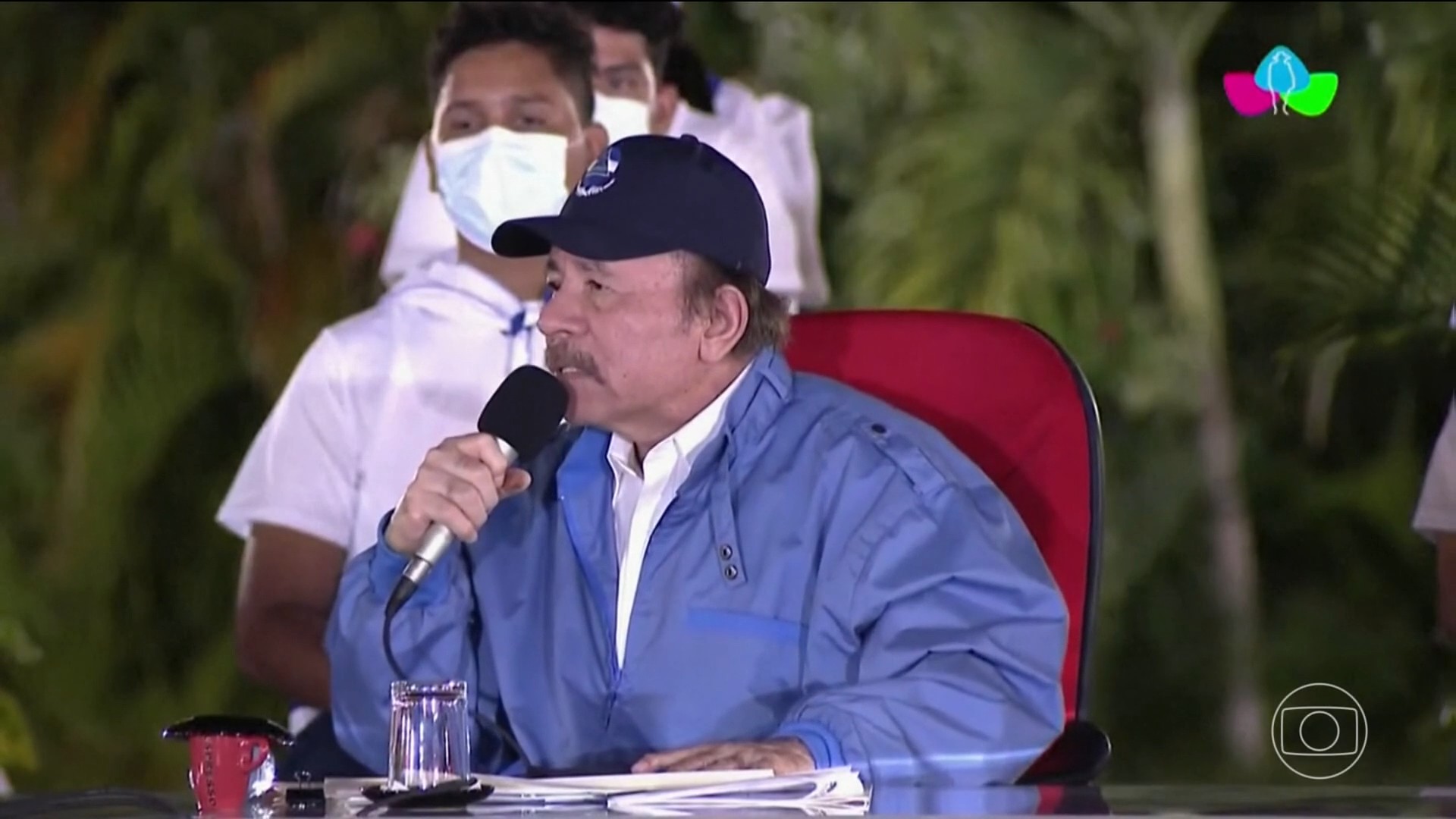
Nicaraguan President Daniel Ortega announced on Sunday, November 19th, that the country will no longer hold elections, stating that the opposition is plotting to seize power. The declaration came during a rally commemorating the 47th anniversary of the Sandinista Revolution. Ortega, who has governed Nicaragua for nearly two decades since returning to the presidency in 2007, along with his wife and Vice President Rosario Murillo, has consolidated control over all branches of government and suppressed political opposition. The next presidential elections were scheduled for 2027. Ortega asserted that despite the absence of overt warfare, the nation is not at peace and warned against the return of opposition parties he described as influenced by external forces. The Secretary-General of the Organization of American States (OAS), Albert Ramdin, condemned the move, stating that Nicaragua has abandoned democracy, even its appearance, and has definitively denied its citizens the right to choose their government. Professor Kai Thaler of the University of California noted that even authoritarian regimes use elections for opposition mobilization and international pressure, and Ortega's announcement eliminates any pretense of democracy. Thaler also suggested Nicaragua is isolated and unlikely to receive aid from Venezuela. The U.S. Secretary of State, Marco Rubio, urged the international community to isolate Nicaragua, calling Ortega's announcement a revelation of his authoritarian nature. The 2021 Nicaraguan elections were widely criticized as a sham by international bodies, including the U.S. and the EU, with many opposition leaders and business figures arrested during the campaign.
President Ortega's declaration marks a definitive shift away from democratic processes, removing even the facade of electoral competition. This move, while ostensibly framed as a defense against perceived external conspiracies, effectively centralizes power and eliminates avenues for peaceful political transition. From a governance perspective, such actions typically lead to increased internal dissent and external isolation, potentially impacting economic stability and international relations. The long-term implications of dismantling electoral systems, even within an already authoritarian framework, can foster systemic instability by removing established mechanisms for accountability and public participation, thereby increasing the potential for unpredictable future challenges to the regime's authority.
AI-generated to prompt reflection — not editorial opinion, not advice, not a statement of fact. How this works.