Nicaragua's Ortega Declares End to Elections, Consolidating Dictatorial Rule
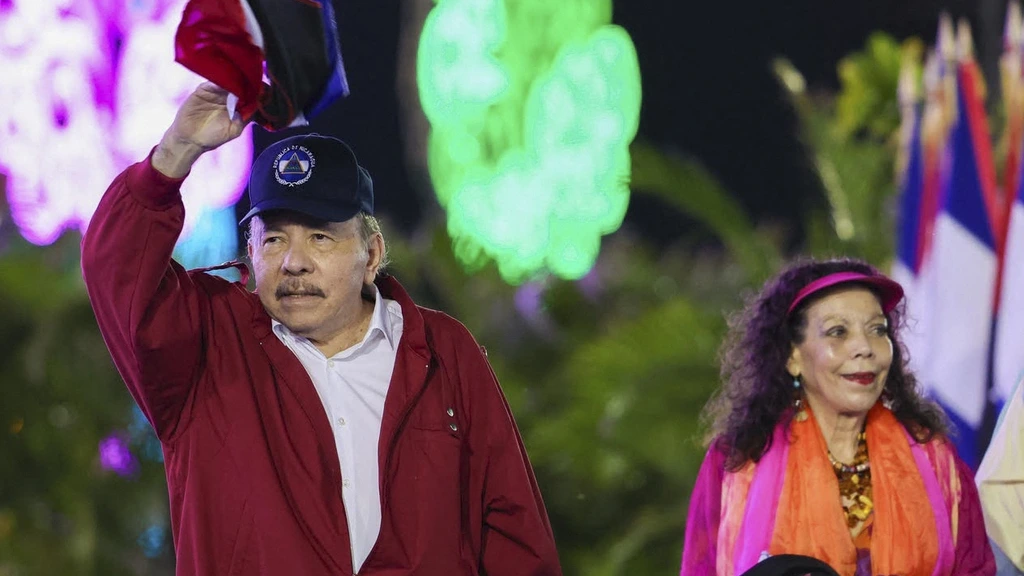
Nicaraguan leader Daniel Ortega has announced that the country will no longer hold elections, effectively signaling the definitive end of democracy in the Central American nation. The 80-year-old former guerrilla fighter, who has led Nicaragua as president since 2007, made the declaration during a speech commemorating the 1979 Sandinista revolution. Ortega stated that the era of parties supported by the United States gaining power is over, and that elections which could offer them a chance to seize control will not occur. In practice, democratic processes in Nicaragua have been severely eroded for years. Ortega's re-elections have consistently been preceded by the intimidation or disqualification of opposition candidates. In 2021, he secured over 75 percent of the vote after all viable contenders were imprisoned and declared "traitors to the homeland," with many subsequently fleeing the country. Protests in 2018 against the regime resulted in at least 300 deaths when security forces violently suppressed demonstrations, particularly those involving young people. A constitutional amendment in 2025 elevated Ortega's wife, Rosario Murillo, to "co-president," extended presidential terms from five to six years, and postponed elections to 2027. The couple has consolidated control over the judiciary and armed forces. Ortega also announced plans to target remaining opposition parties with new legislation to prevent them from ever gaining power through elections. Human rights organizations, NGOs, and religious groups have previously been banned or had their operations obstructed. Ortega also criticized the United States, condemning the alleged abduction of Venezuelan leader Nicolás Maduro and calling the U.S. government "a monster," while warning of potential U.S. military intervention in Cuba. Despite public pronouncements against the U.S., external intervention or isolation similar to that seen in Venezuela or Cuba is considered unlikely due to Nicaragua's lack of strategic resources and a significant exile lobby. The Ortega-Murillo family has been working to establish a political dynasty, with their children being groomed for succession and potential military rivals sidelined. With internal opposition largely suppressed and external support for exiled groups dependent on U.S. and EU attention, Ortega and Murillo appear positioned to maintain power for the foreseeable future by minimizing external provocation.
Daniel Ortega's declaration marks a formal shift from electoral authoritarianism to outright dictatorship, consolidating power by eliminating the pretense of democratic competition. This move, while extreme, reflects a broader global trend where leaders leverage existing state apparatus to entrench themselves, often citing external threats, such as alleged U.S. interference, as justification. The analysis of external actors' responses, particularly the U.S., highlights the complex geopolitical calculus that often prioritizes stability or other strategic interests over direct intervention, especially in nations lacking significant economic or strategic leverage. The consolidation of power within the Ortega-Murillo family suggests a focus on dynastic succession, a governance model that prioritizes familial control over institutional development, potentially leading to long-term economic stagnation and social repression if not challenged by internal or external systemic pressures.
AI-generated to prompt reflection — not editorial opinion, not advice, not a statement of fact. How this works.