Nicaragua's Ortega Declares End to Elections, Ushering in New Era of Authoritarianism
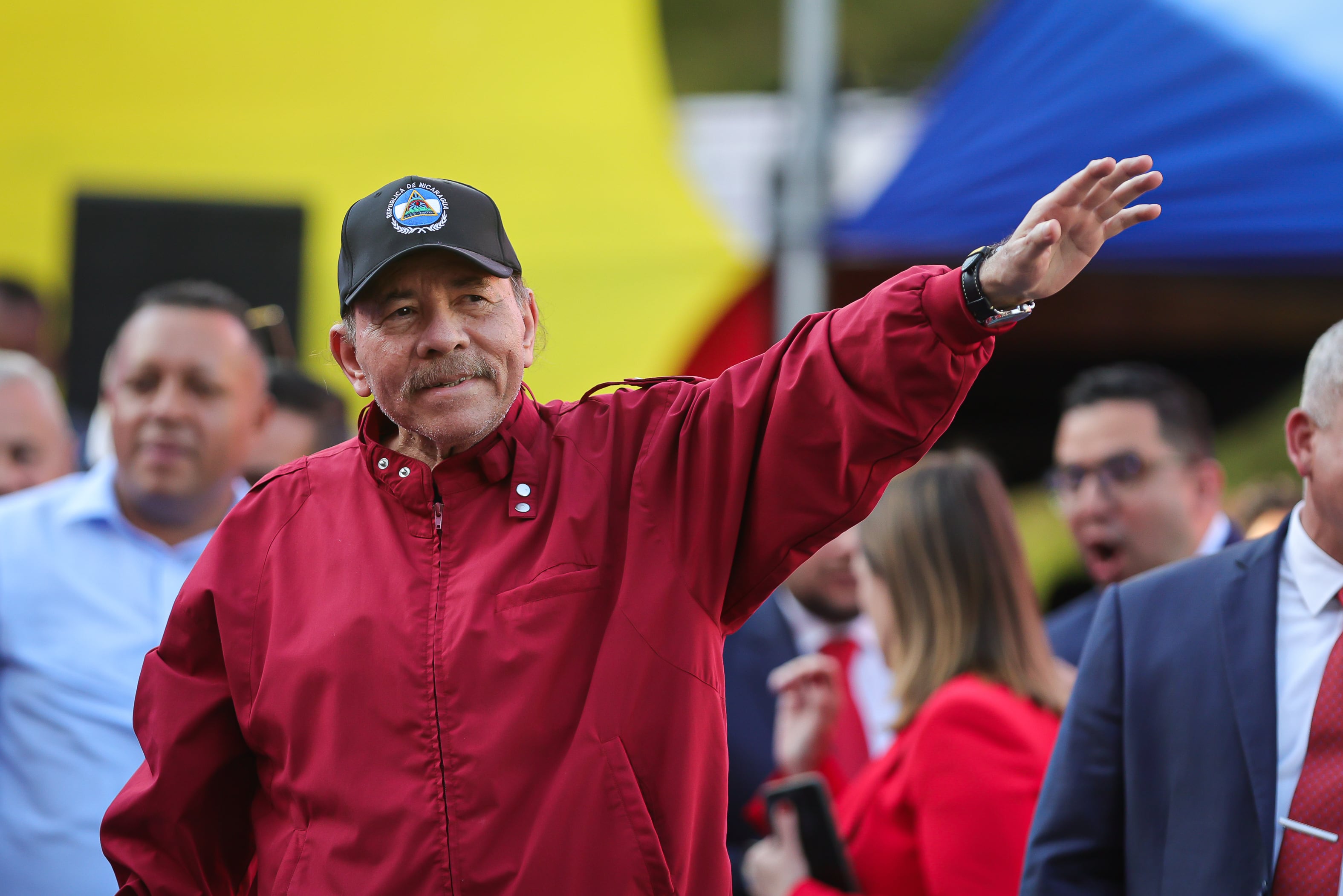
Nicaraguan President Daniel Ortega has declared that elections will no longer be held in the country, marking a significant and unprecedented shift towards authoritarian rule. This decree represents a definitive point of no return for Nicaragua's political landscape. The move signals a consolidation of power by Ortega's government, effectively dismantling any remaining democratic processes. This declaration is expected to have profound implications for the future governance of Nicaragua and its relationship with the international community. The absence of future elections suggests a permanent entrenchment of the current regime, eliminating avenues for peaceful political transition. Observers anticipate increased international pressure and condemnation following this drastic measure. The long-term consequences for human rights and civil liberties within Nicaragua remain a significant concern.
President Ortega's declaration to cease holding elections fundamentally alters Nicaragua's governance structure, moving away from democratic norms towards a permanent authoritarian model. This systemic shift, while potentially offering short-term regime stability, could foster long-term societal discontent and international isolation. The absence of electoral mechanisms removes a crucial channel for political participation and accountability, potentially increasing the risk of instability through non-institutional means. Future governance will likely rely more heavily on coercive apparatuses, challenging established international legal frameworks concerning self-determination and democratic principles. This move may also serve as a precedent, influencing governance strategies in other nations facing similar internal political pressures.
AI-generated to prompt reflection — not editorial opinion, not advice, not a statement of fact. How this works.