Nicaragua's Ortega Declares No More Elections, Shutting Door on Opposition
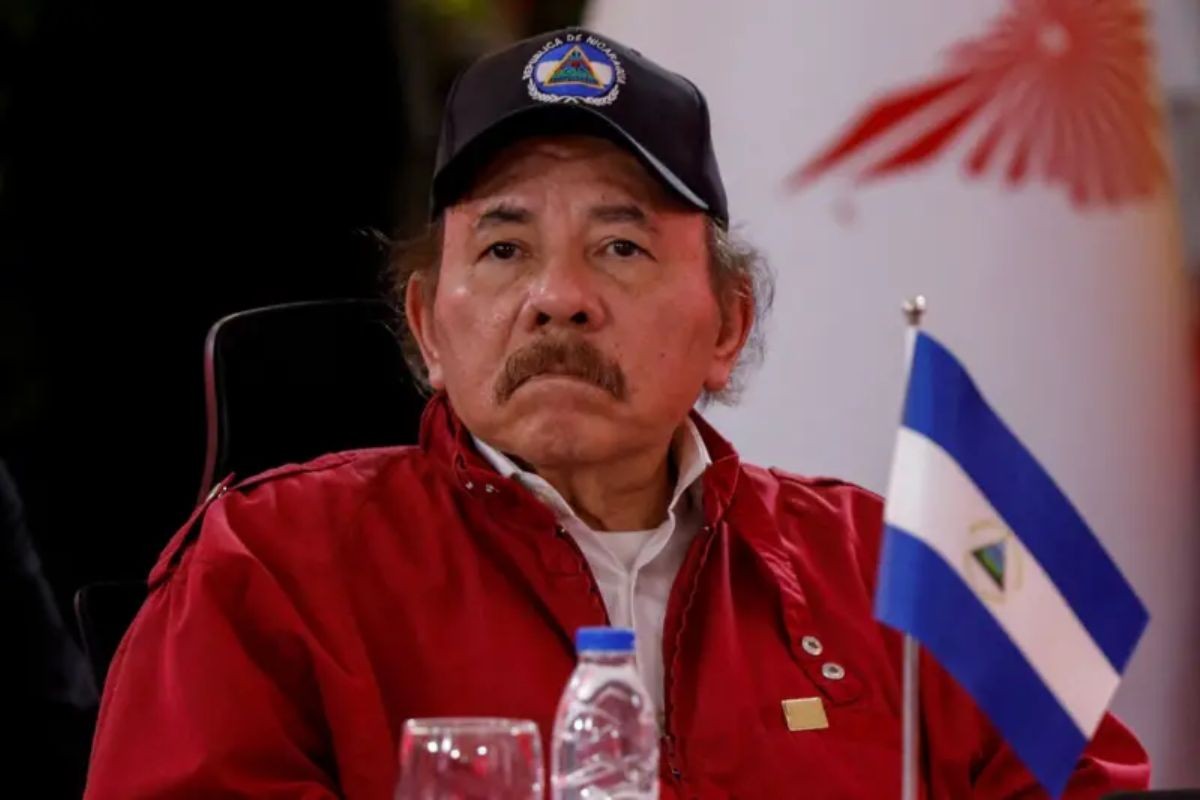
Nicaraguan President Daniel Ortega announced on Sunday, July 19th, that the country will no longer hold elections to prevent the opposition from gaining power. Ortega stated, "There will be no more elections here for them [the opposition] to try to take the government and power." His remarks were made during a celebration of the 1979 Sandinista Revolution, commemorating the overthrow of dictator Anastasio Somoza. The speech, delivered in Managua's Plaza de la Fe, did not provide specific details on how this electoral prohibition would be implemented. Ortega asserted that the era of parties supported by the United States and "somocistas" returning to power is over. This marks Ortega's first public appearance in two months; he has been in continuous power since 2007. The 2021 presidential election was marred by the arrest of key opposition candidates, leading the US, EU, Canada, and Costa Rica to deem the process illegitimate. Ortega, who first led the country in 1981 and served as president from 1984 to 1990, has been in power longer than the Somoza dynasty. In 2024, he proposed constitutional changes to grant himself and his wife, Rosario Murillo, absolute control over all branches of government. The government's authoritarian shift intensified around 2018 amidst protests against pension reforms, which were met with harsh repression, including by pro-government paramilitaries.
President Ortega's declaration signals a definitive move away from democratic electoral processes in Nicaragua, consolidating power by eliminating future electoral challenges. This action, framed within the historical narrative of the Sandinista Revolution, effectively closes avenues for political alternation and opposition participation. The move raises significant concerns regarding democratic governance and human rights, particularly in light of past electoral disputes and the suppression of dissent. Future political stability and international relations will likely be shaped by how regional and global actors respond to this fundamental alteration of Nicaragua's political system. The long-term implications for civil liberties and the rule of law within Nicaragua remain a critical area for observation.
AI-generated to prompt reflection — not editorial opinion, not advice, not a statement of fact. How this works.