Nicaragua's Ortega Eliminates Electoral Path, Declares No More Elections
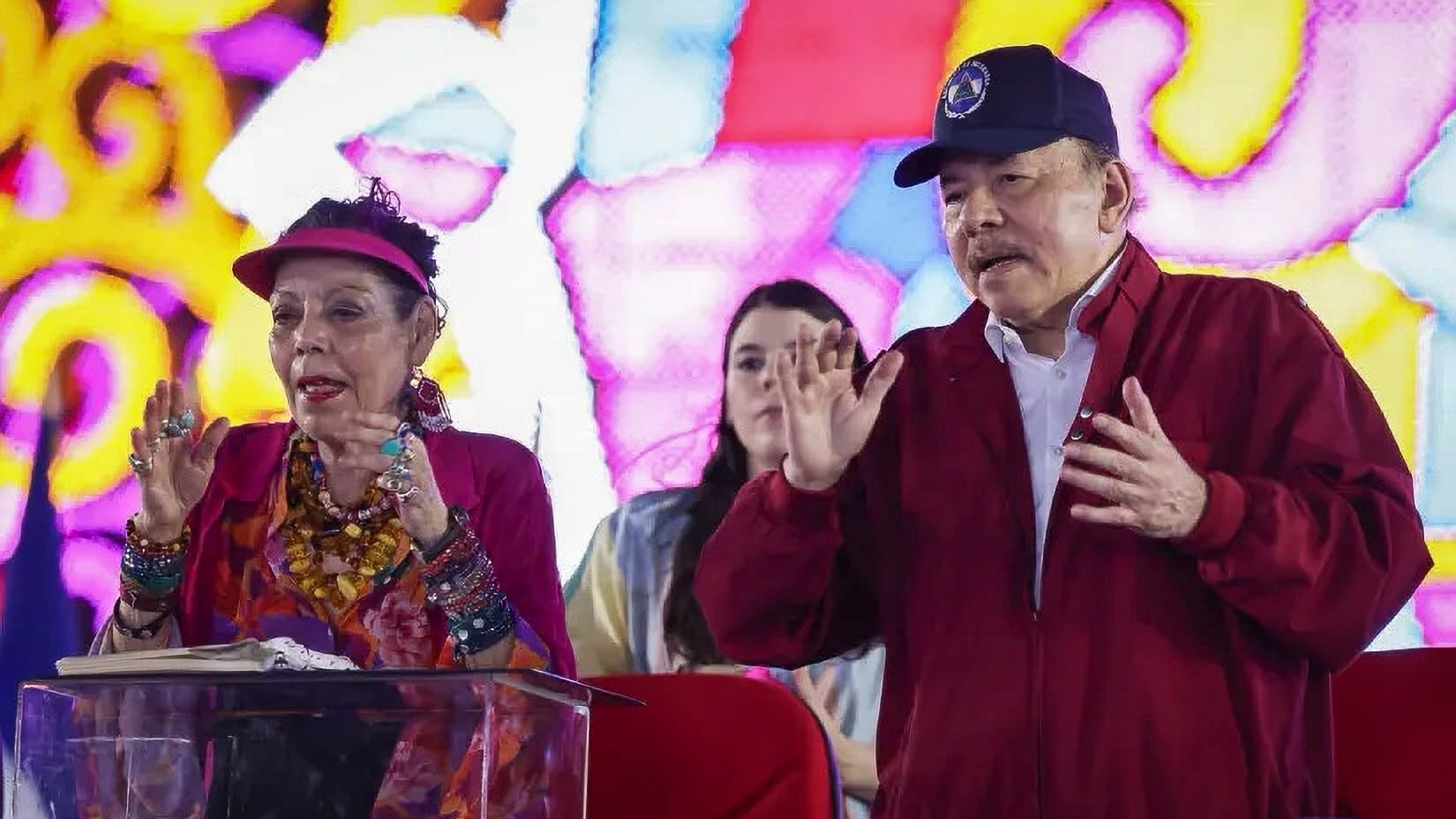
Nicaraguan President Daniel Ortega has declared that elections will no longer be held in the country, effectively eliminating the electoral path for the opposition to challenge his rule. This announcement was made during the commemoration of the Sandinista Revolution. Ortega revealed plans for legal reforms aimed at preventing opposition parties from contesting for power. The president's move signals a shift towards a hegemonic party model, consolidating the Sandinista National Liberation Front's (FSLN) dominance. These actions come amidst a broader crackdown on dissent and political opposition in Nicaragua. The reforms are expected to further entrench the current government's control and limit democratic participation. Critics argue that this move effectively ends any semblance of democratic process in Nicaragua. The international community has previously expressed concerns over the erosion of democratic institutions and human rights in the country. Ortega's latest declaration is likely to intensify these concerns and international pressure.
President Ortega's declaration to abolish future elections in Nicaragua represents a definitive move away from democratic processes, signaling a preference for a single-party hegemonic system. This strategy, by removing electoral competition, aims to preemptively neutralize any potential challenges to the ruling party's power. Such a systemic shift prioritizes regime stability and control over political pluralism and citizen representation. Looking ahead, this approach may foster internal consolidation but could also exacerbate external pressures and isolation, potentially impacting Nicaragua's long-term economic and diplomatic standing. The focus on eliminating electoral avenues suggests a governance model that relies on centralized authority rather than responsive political mechanisms.
AI-generated to prompt reflection — not editorial opinion, not advice, not a statement of fact. How this works.