Nicaragua's Ortega Proposes 7-Year Term, Bans Opposition from Elections
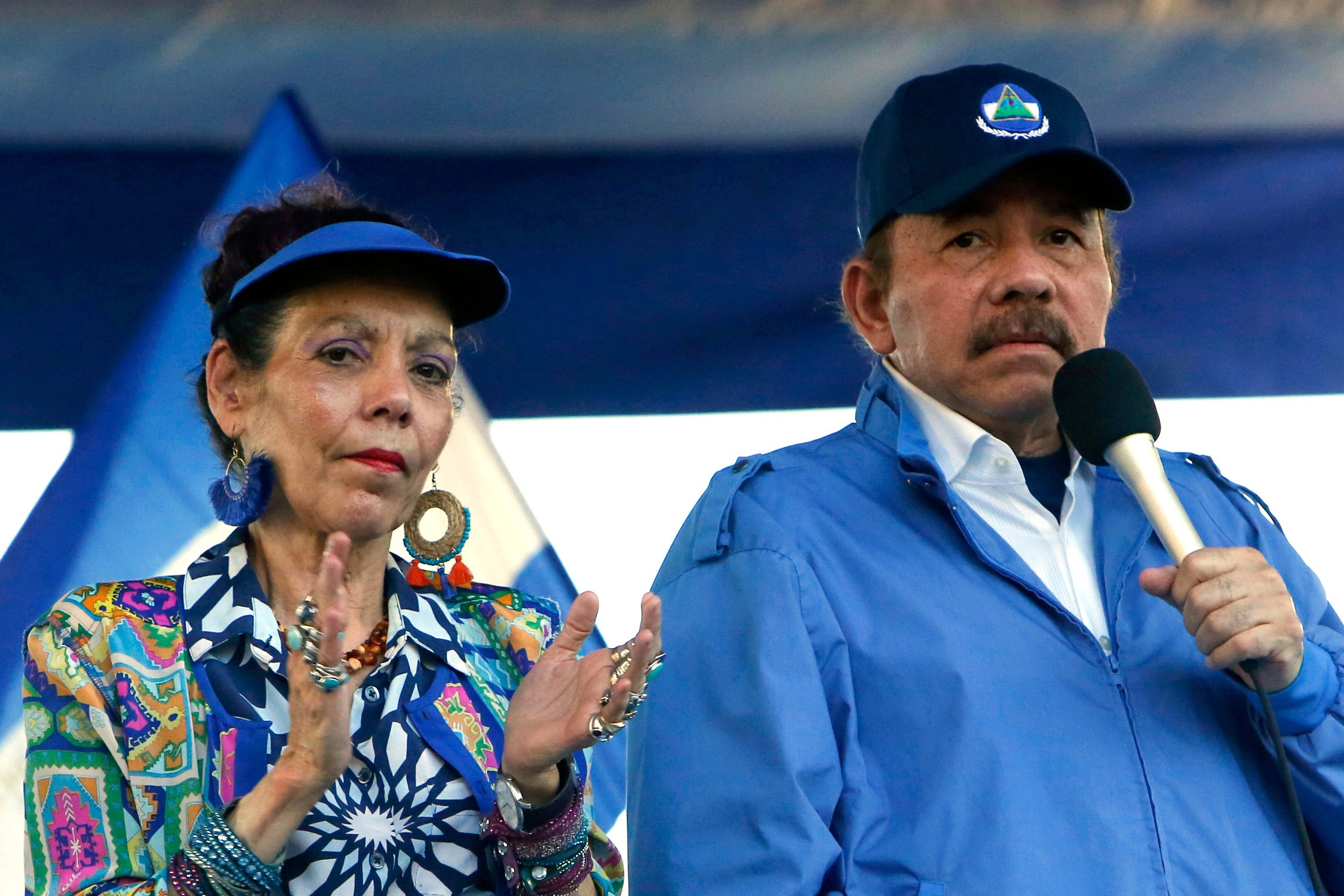
Nicaraguan President Daniel Ortega is seeking to extend presidential terms from six to seven years and exclude opposition parties from elections through a constitutional reform. The Legislative Assembly, dominated by the ruling party, received the bill from Ortega on Tuesday, November 28. The assembly plans to pass the proposed laws in early September, which Ortega claims are necessary to prevent "traitors" and "coup plotters" allegedly acting on behalf of the United States from participating in elections. According to the proposal's introduction read by Congress President Gustavo Porras, the new structure aims for an "effective mandate of seven renewable years." Porras stated that the extended term would "guarantee stability in vision, operations, and continuity, addressing urgent needs with full energy and clarity." Vice President Rosario Murillo, Ortega's wife, mentioned on Monday that the reform plan had been shared with the diplomatic corps and that consultations with various sectors of Nicaraguan society would occur before approval. The full text of the proposed reform has not yet been released.
This proposed constitutional reform in Nicaragua appears designed to consolidate executive power and limit political competition. By extending the presidential term and explicitly targeting opposition figures with disqualifying language, the move suggests a strategy to ensure long-term governance stability under the current administration. The justification of "stability" and "continuity" may mask an intent to preempt challenges and maintain control, particularly in the context of potential future elections. The inclusion of diplomatic consultations and societal dialogues, while seemingly inclusive, could serve as a procedural step rather than a genuine commitment to altering the reform's core objectives, given the assembly's government-controlled nature. This approach raises questions about democratic processes and the future of political pluralism in Nicaragua over the next decade, especially as nations globally grapple with balancing governance effectiveness against democratic freedoms in an increasingly complex geopolitical landscape.
AI-generated to prompt reflection — not editorial opinion, not advice, not a statement of fact. How this works.