Nicaragua's Ortega Proposes Banning 'Traitors' from Future Elections and Extending Presidential Term
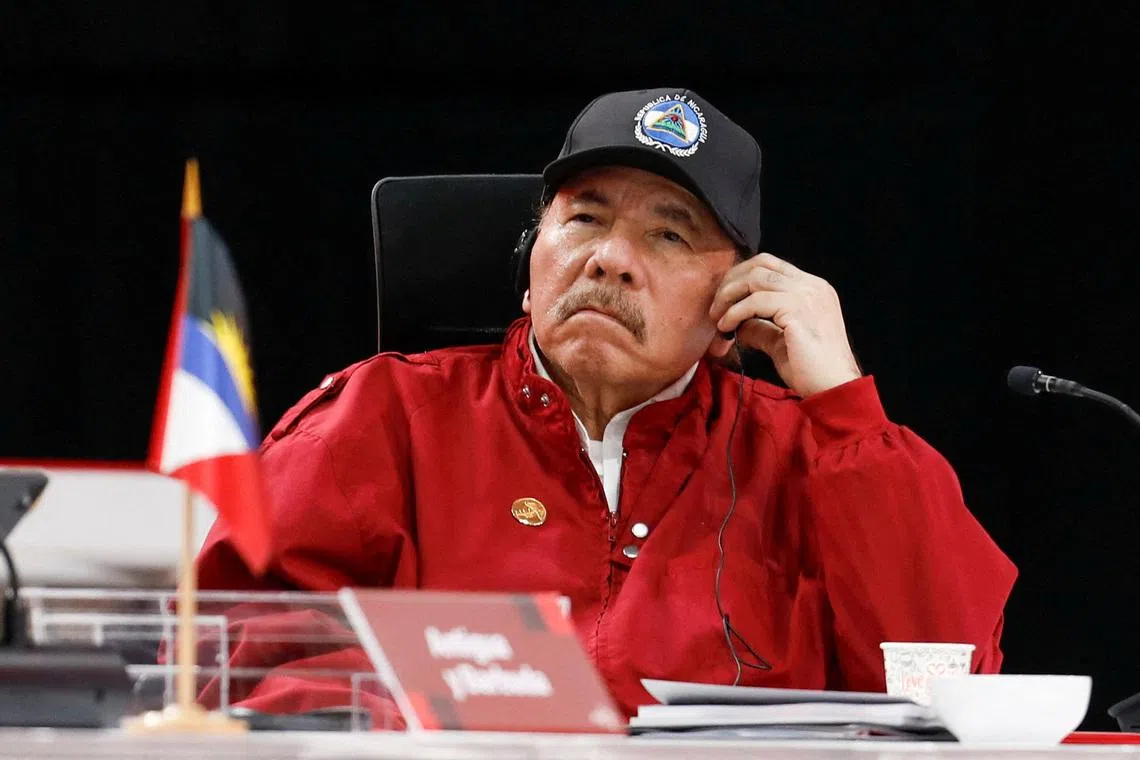
Nicaraguan President Daniel Ortega is pursuing a constitutional reform that would prohibit individuals deemed "traitors" or involved in "coup-plotting" from participating in future elections. This proposal, outlined in a draft reform submitted to Congress on Tuesday evening, also seeks to extend the presidential term from the current six years to seven years. The proposed seven-year term would be renewable, potentially allowing for extended periods in office. This move signals a further consolidation of power by the Ortega administration and a tightening of control over the political landscape.
This proposed constitutional reform in Nicaragua appears to centralize power by redefining eligibility for future elections and extending executive tenure. The language of "traitors" and "coup-plotting" suggests a framework that could be used to politically marginalize dissent and consolidate the ruling party's dominance. Extending the presidential term and making it renewable could create a system with fewer checks and balances, potentially impacting democratic accountability and the long-term stability of Nicaragua's governance structures. Such changes merit scrutiny regarding their alignment with democratic principles and their potential implications for political pluralism in the coming decade.
AI-generated to prompt reflection — not editorial opinion, not advice, not a statement of fact. How this works.