Nicaragua's Ortega proposes extending presidential term by one year
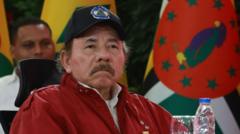
Nicaraguan President Daniel Ortega, 80, has proposed extending his current presidential term by an additional year. This move is not unprecedented, as the country's constitution has been amended multiple times previously to allow Ortega to remain in power for extended periods. The proposal suggests a continuation of a pattern where constitutional frameworks are adjusted to facilitate prolonged leadership. Ortega, a prominent figure in Nicaraguan politics for decades, has utilized constitutional changes to extend his hold on the presidency. This latest proposal continues to raise questions about democratic processes and the longevity of presidential mandates in the nation. The specific mechanisms and timeline for this proposed extension are not detailed in the provided information, but it signifies a potential further consolidation of presidential power.
This proposal to extend presidential terms reflects a common governance dynamic where incumbent leaders seek to solidify their positions through constitutional adjustments. Such actions can be viewed through the lens of political stability versus democratic accountability; while proponents might argue for continuity, critics often point to potential erosion of democratic norms and electoral competition. The long-term implications for Nicaragua's political landscape will depend on the interplay between institutional frameworks, public sentiment, and international observation. Evaluating this within the context of evolving global governance models, particularly concerning the balance of power and term limits, offers a perspective on the challenges faced by many nations in navigating leadership transitions and ensuring robust democratic institutions.
AI-generated to prompt reflection — not editorial opinion, not advice, not a statement of fact. How this works.