Nicaragua's Ortega Rules Out Future Elections, Citing Opposition Power Risk
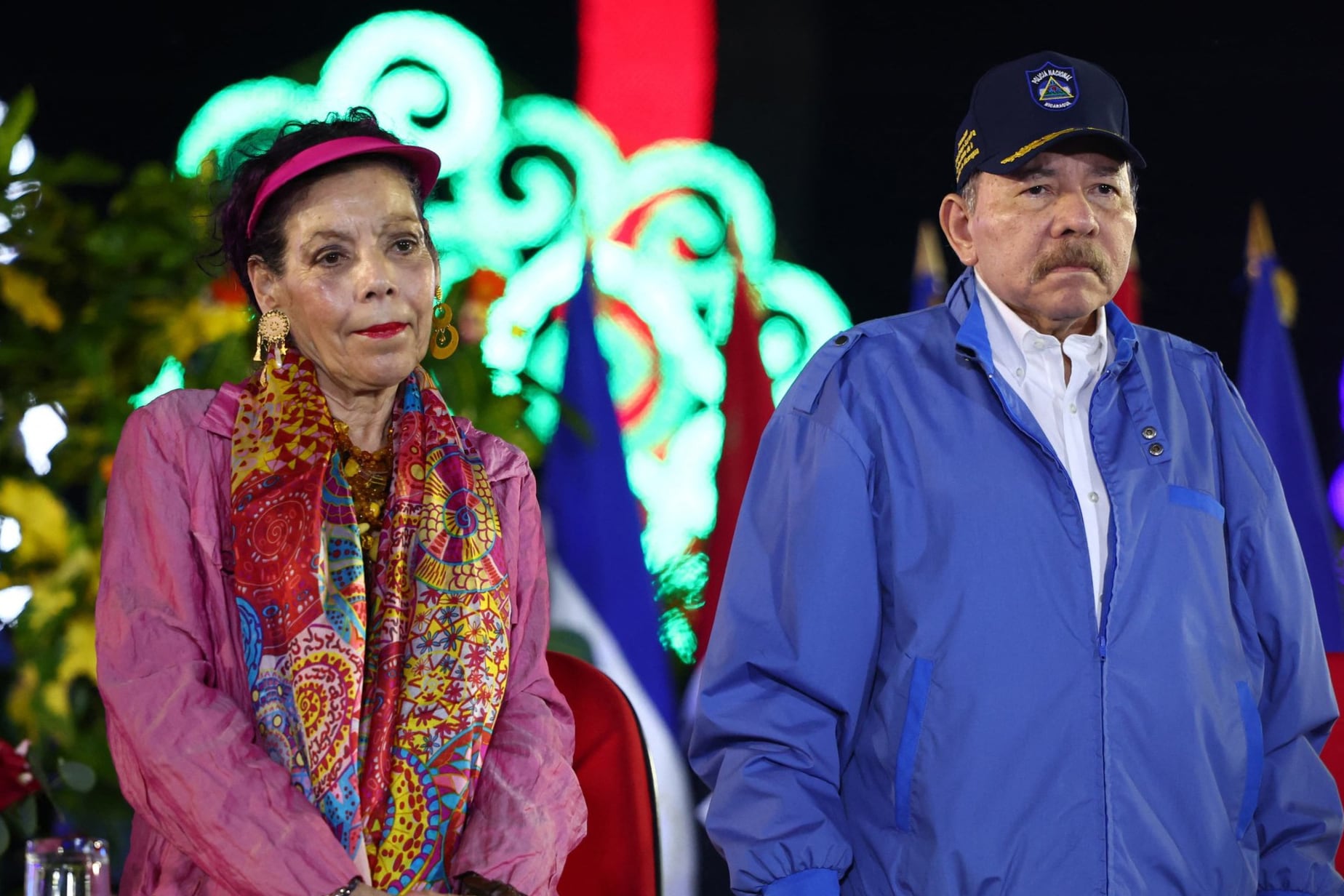
Nicaragua's President Daniel Ortega has declared that the country will not hold further elections. Ortega, who leads the current regime in Nicaragua, stated that elections create an opportunity for the opposition to regain power. This assertion suggests a consolidation of control by the current government and a potential move away from democratic processes. The statement implies that the leadership views electoral competition as a threat to its continued governance. No specific date or timeline was provided for this policy shift, but the declaration itself signals a significant change in the political landscape. The implications for democratic institutions and political freedom within Nicaragua are substantial, as future electoral challenges to the ruling party appear to be off the table. This move could further isolate Nicaragua internationally, depending on the reactions of global bodies and other nations.
President Ortega's declaration to forgo future elections signals a strategic shift prioritizing regime stability over electoral mandates. This approach, while potentially securing current power, risks undermining democratic legitimacy and international standing. The stated rationale of preventing opposition gains highlights a governance model focused on control rather than consensus-building. Looking ahead, such a stance may foster internal dissent and external pressure, creating long-term systemic vulnerabilities. The decision prompts consideration of alternative pathways for political participation and accountability in Nicaragua, and the broader implications for regional democratic norms.
AI-generated to prompt reflection — not editorial opinion, not advice, not a statement of fact. How this works.