Nicaragua's President Announces Cancellation of Elections
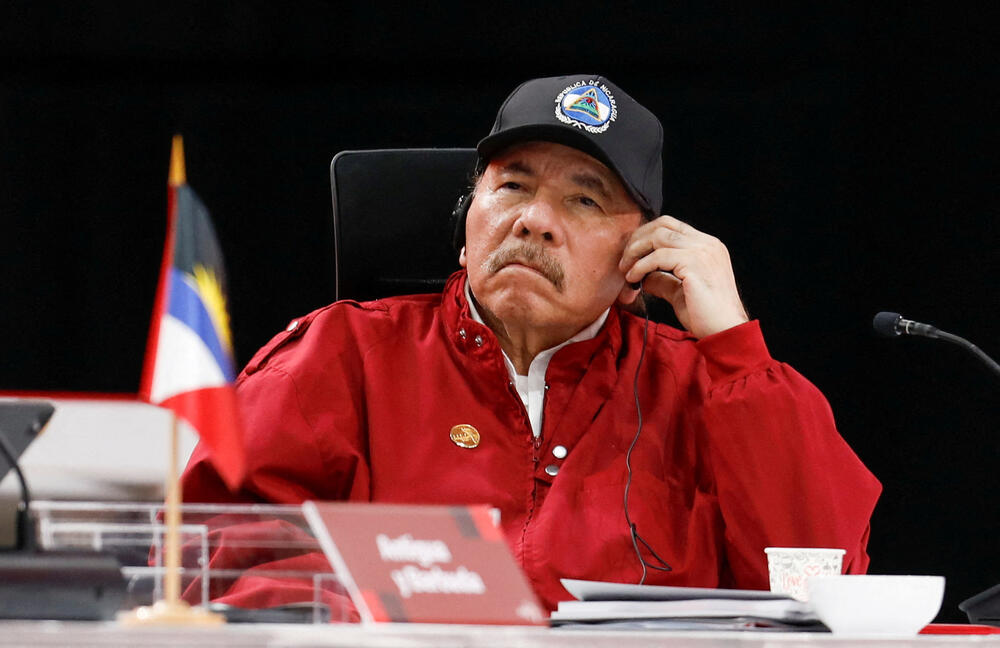
President Daniel Ortega of Nicaragua has announced the cancellation of upcoming elections. This decision has raised concerns among analysts who warn that it could set a dangerous precedent for other authoritarian regimes. The move is seen as potentially accelerating the global decline of democracy. Ortega's administration has faced international criticism for its democratic backsliding and human rights record. The cancellation of elections further solidifies concerns about the future of democratic processes in the region. Analysts suggest this action may embolden other leaders with authoritarian tendencies to suppress electoral competition. The international community is expected to closely monitor Nicaragua's political developments following this announcement. The implications for regional stability and democratic norms are significant.
President Ortega's decision to cancel elections, as reported, represents a significant departure from established democratic norms. Such actions, if unchecked, can create a destabilizing precedent, potentially encouraging similar moves by other regimes seeking to consolidate power and circumvent electoral accountability. This trend warrants careful observation within the broader context of global democratic governance, particularly as technological advancements offer new tools for both citizen engagement and state control. Understanding the underlying incentives for such political maneuvers, such as perceived threats to stability or the desire for uninterrupted executive authority, is crucial for anticipating future challenges to democratic institutions worldwide. The long-term consequences for citizen participation and the rule of law in Nicaragua and potentially beyond will depend on both domestic responses and international diplomatic engagement.
AI-generated to prompt reflection — not editorial opinion, not advice, not a statement of fact. How this works.