Nicaragua's President Ortega Abolishes Future Elections
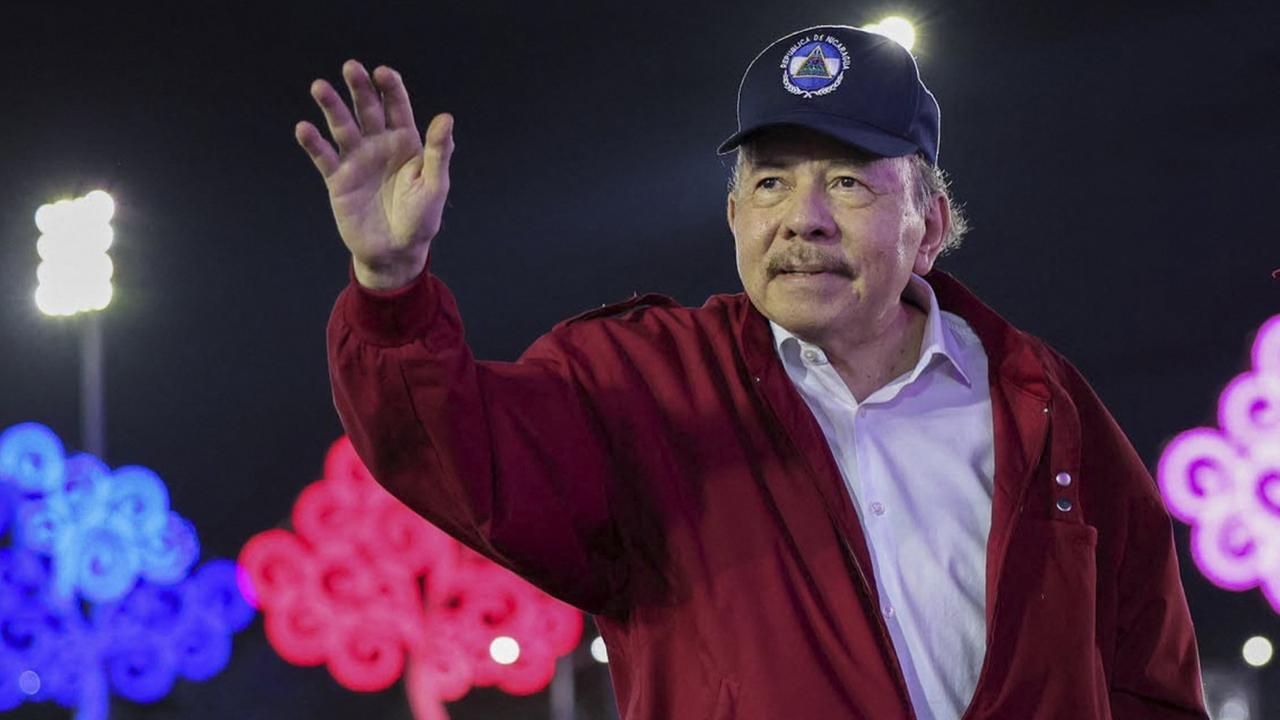
Nicaraguan President Daniel Ortega has announced that the country will no longer hold presidential elections. Previously, the regime maintained the appearance of democratic processes, with presidential elections scheduled for next year. Ortega declared that these elections would be the last, effectively abolishing them permanently. This move signals a significant shift away from even the pretense of electoral democracy in Nicaragua. The announcement was made by President Ortega, with reporting from J. Barke of ARD Mexico City.
President Ortega's decision to abolish future elections fundamentally alters Nicaragua's political landscape, moving away from even nominal democratic structures. This action may reflect an assessment of internal stability and control, potentially reducing the perceived need for electoral legitimacy. From a governance perspective, the elimination of electoral cycles removes a mechanism for political transition and public accountability, potentially concentrating power further. This shift could have long-term implications for regional stability and international relations, as it deviates from established norms of democratic governance prevalent in the Americas. The move warrants scrutiny regarding its impact on civil liberties and the future trajectory of political participation within Nicaragua.
AI-generated to prompt reflection — not editorial opinion, not advice, not a statement of fact. How this works.