Nicaragua's President Ortega Abolishes Future Elections
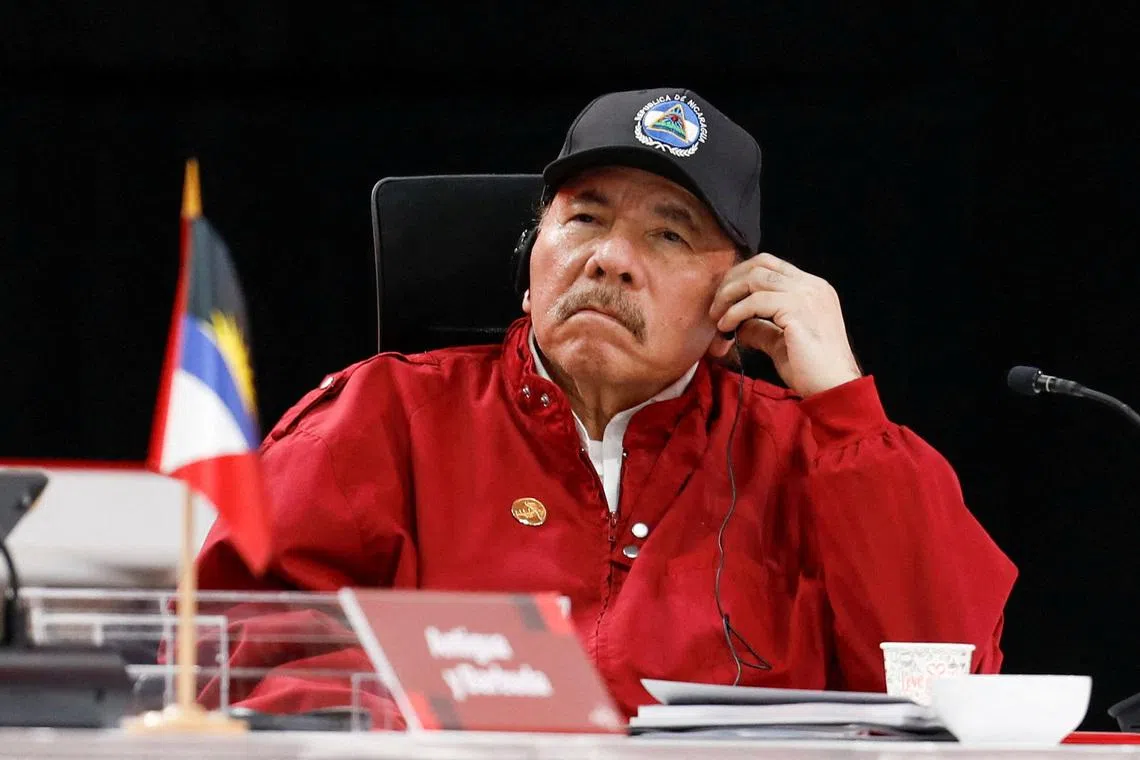
Nicaragua's President Daniel Ortega announced on July 20 that the Central American nation will cease holding elections. This decision effectively removes any potential for electoral challenges to his leadership when his current term concludes next year. Ortega, who has been in power for an extended period, shares governance with his wife, further solidifying their control over the country. The move eliminates a key democratic process, signaling a significant shift in Nicaragua's political landscape and concentrating power within the existing leadership. This action removes the possibility of a democratic transition through the ballot box, ensuring Ortega's continued hold on power beyond the upcoming term.
President Ortega's declaration to discontinue elections represents a fundamental alteration of Nicaragua's governance structure, moving away from established electoral processes. This action may be analyzed through the lens of power consolidation and the potential impact on institutional checks and balances. The long-term implications for political stability, citizen representation, and international relations warrant consideration, particularly in the context of democratic norms and governance frameworks. Such a shift could influence future political dynamics and societal engagement within the nation.
AI-generated to prompt reflection — not editorial opinion, not advice, not a statement of fact. How this works.