Nicaragua's President Ortega Declares End to Future Elections
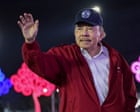
Nicaragua's President Daniel Ortega, an 80-year-old authoritarian leader, has announced that the country will not hold any further elections. Ortega, who has been in power since 2007, stated that this move is intended to prevent the opposition from gaining power. He indicated that he will work with the congress, which he controls, to enact new legislation. These laws are designed to construct a "wall" to block the opposition's political advancement. This declaration signals a significant consolidation of power and a move away from democratic processes within Nicaragua.
President Ortega's declaration to cease future elections represents a decisive shift away from democratic norms, aiming to solidify his administration's control by preemptively neutralizing electoral challenges. This strategy, framed as a defensive measure against opposition, may reflect concerns about maintaining power in the face of potential electoral shifts. The move could lead to increased international scrutiny and potential sanctions, while domestically, it risks exacerbating societal divisions and limiting avenues for political expression. The long-term implications for Nicaragua's governance and stability, particularly in the context of evolving geopolitical landscapes and the increasing global emphasis on democratic accountability, warrant careful observation.
AI-generated to prompt reflection — not editorial opinion, not advice, not a statement of fact. How this works.