Nicaragua's President Ortega Declares End to National Elections
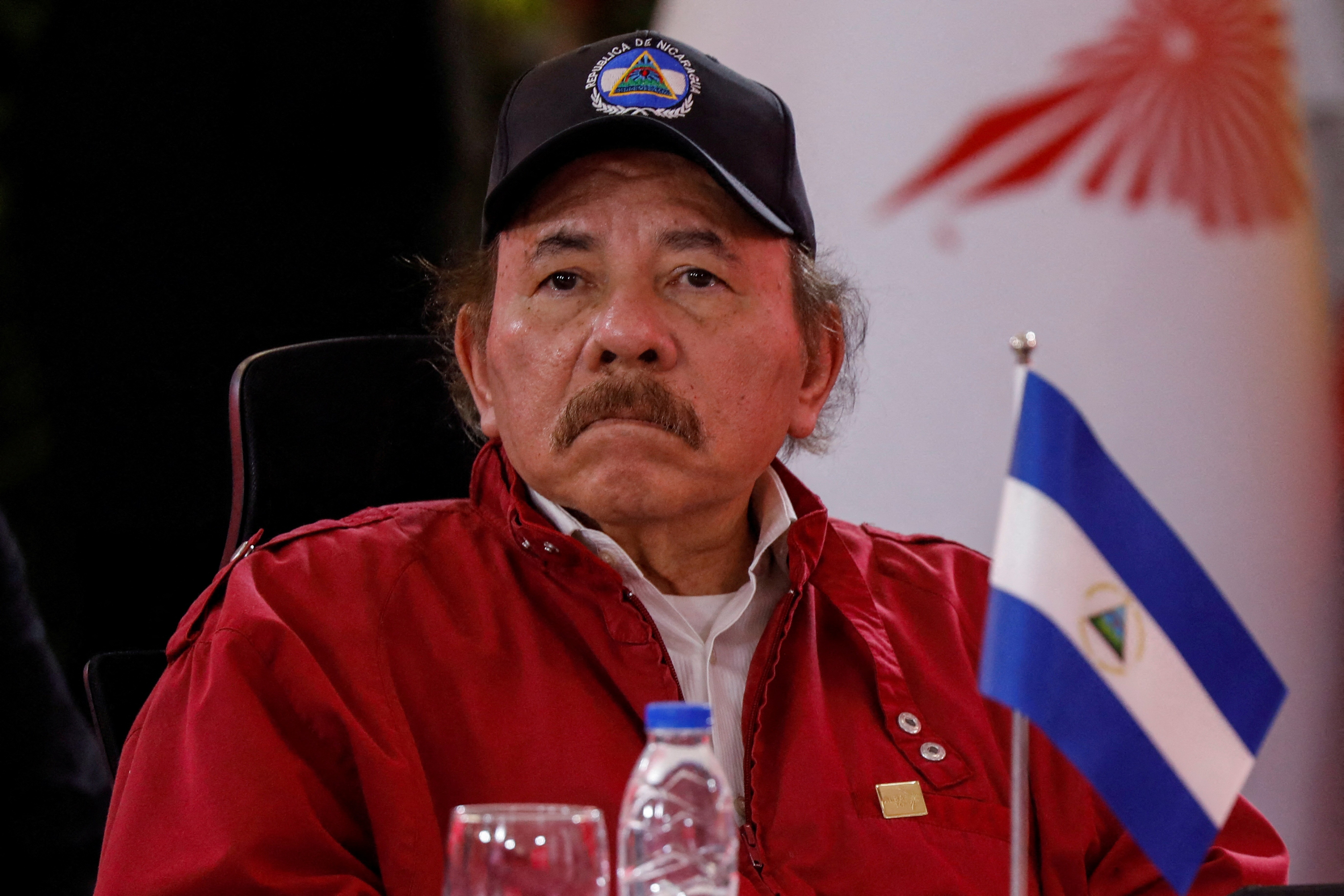
Nicaraguan President Daniel Ortega has announced that the country will no longer hold elections, effectively eliminating any possibility of electoral challenges when his current term concludes in 2027. This move further solidifies the governance structure he shares with his wife, Rosario Murillo. Ortega, who has been in power since 2007 after a previous presidential term in the 1980s, stated that this decision will close off avenues for the opposition, though specific implementation details were not provided. He made these remarks during a speech commemorating the 1979 Sandinista revolution, asserting that the era of "Yankee-backed and Somoza-backed parties" returning to power is over. This declaration follows the highly contested 2021 elections, which were marred by Ortega's arrest of opposition figures and business leaders, alongside the criminalization of political dissent. Last year, constitutional reforms extended the presidential term to six years and effectively established Murillo as a "co-president." The couple's administration is accused by the UN Human Rights Council of systematically violating human rights and transforming Nicaragua into an "authoritarian state." The nation has been in a severe political crisis since April 2018, when government repression of anti-government protests resulted in over 300 deaths.
President Ortega's declaration to abolish national elections represents a definitive shift away from democratic processes, consolidating executive power and removing any formal electoral recourse for political opposition. This action, framed within the historical context of the Sandinista revolution, signals a prioritization of regime stability over electoral competition. The move aligns with a broader trend of democratic backsliding observed globally, where institutional mechanisms are repurposed to entrench incumbent leadership. Future governance in Nicaragua will likely be characterized by increased reliance on executive decrees and administrative controls, with limited avenues for public participation or accountability through electoral means. The long-term implications for civil liberties and the rule of law warrant close observation, particularly in light of prior accusations of human rights violations and the concentration of power within the executive branch.
AI-generated to prompt reflection — not editorial opinion, not advice, not a statement of fact. How this works.