Nicaragua's President Ortega Proposes Extending Term by One Year
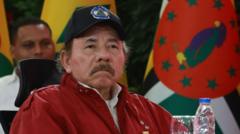
Nicaraguan President Daniel Ortega, 80, has put forward a proposal to extend his current presidential term by an additional year. This is not the first instance where constitutional amendments have been made to facilitate Ortega's continued hold on power. The move suggests a pattern of adjusting the country's legal framework to prolong his leadership. Ortega has been a significant figure in Nicaraguan politics for decades, serving multiple terms as president. This latest proposal is likely to draw further international scrutiny regarding democratic processes and term limits in Nicaragua. The specifics of the proposed amendment and the legislative process required for its approval remain to be seen. However, the historical context indicates a precedent for such constitutional changes being enacted to maintain his position.
This proposal by President Ortega to extend his term by one year, following previous constitutional amendments to prolong his rule, reflects a strategy of leveraging legal and political mechanisms to consolidate power. From a governance perspective, such actions can create systemic instability by undermining democratic norms and potentially eroding public trust in institutions. The long-term implications may include increased political isolation and challenges to Nicaragua's international standing, as adherence to established term limits is often a benchmark for democratic legitimacy. Future considerations for Nicaragua's political trajectory will likely involve navigating these governance challenges and their impact on economic and social development.
AI-generated to prompt reflection — not editorial opinion, not advice, not a statement of fact. How this works.