Nicaragua's President Ortega Signals End to Elections
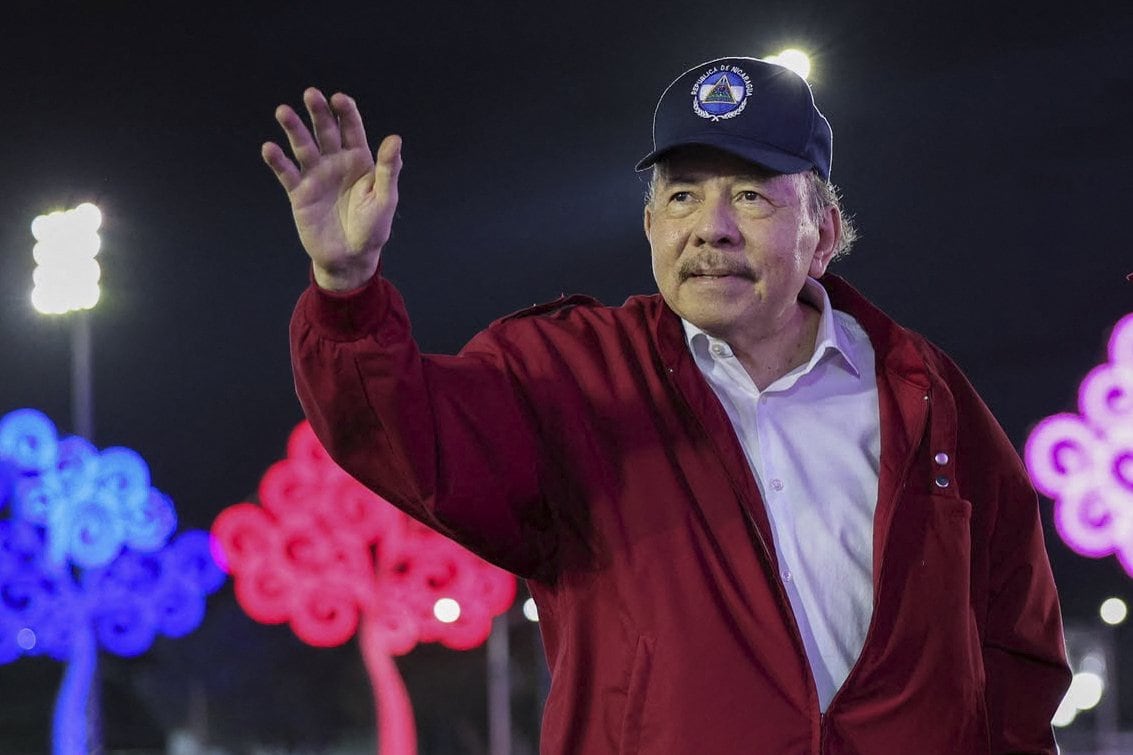
Nicaraguan President Daniel Ortega has declared an end to elections in the country. This forceful statement serves as a stark reminder to the international community and various foreign ministries about the nature of the regime that assumed power in 2006 with the clear intention of remaining in control indefinitely. The announcement effectively signals a move away from democratic processes, consolidating power within the current administration. Ortega's declaration underscores a long-standing pattern of authoritarian governance that has characterized his presidency since his return to power. The international community has previously expressed concerns regarding the erosion of democratic institutions and human rights in Nicaragua under his leadership. This latest development is likely to intensify scrutiny and criticism from global actors concerned with democratic norms and electoral integrity. The regime's actions suggest a prioritization of political stability and control over electoral fairness and public participation. The implications for Nicaragua's future political landscape and its relationship with the international community remain significant.
President Ortega's declaration to cease elections represents a definitive shift away from democratic governance, signaling a consolidation of power rather than a commitment to electoral processes. This move, framed by the source as a "satrapy," highlights a potential divergence between domestic political control and international expectations of democratic norms. From a systemic perspective, such actions can create long-term governance challenges, potentially leading to increased international isolation and domestic instability. The long-term viability of a political system that eschews electoral accountability is questionable in the context of evolving global governance standards and the increasing demand for transparency and citizen participation. This approach may prioritize immediate political control but could undermine the foundational elements of sustainable statehood and societal development over the next decade.
AI-generated to prompt reflection — not editorial opinion, not advice, not a statement of fact. How this works.