Nicaragua to Abolish Elections, President Ortega Declares
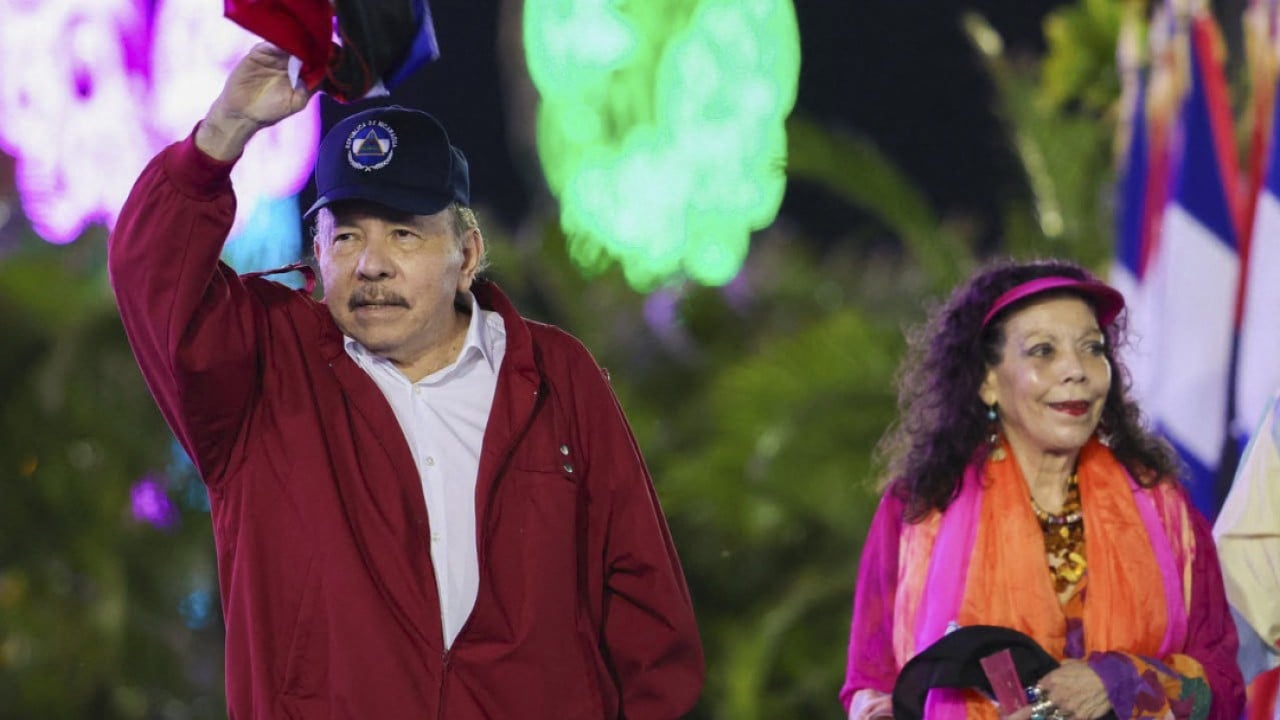
Nicaragua's President Daniel Ortega announced that the Central American nation will cease holding elections. This decision effectively removes any potential for electoral challenges to his leadership when his current term concludes next year. Ortega, who has been in power continuously since 2007 and previously served as president in the 1980s, stated that this move will eliminate any avenue for the opposition to contest power. However, he did not elaborate on the specific mechanisms or details by which this ban on elections will be implemented. The announcement further solidifies the political control he exercises alongside his wife. This action is expected to deepen the existing entrenchment of their rule within the country's political system.
President Ortega's declaration to abolish elections in Nicaragua represents a significant shift in governance, moving away from established democratic processes. This action, by removing electoral avenues for opposition, may be viewed through the lens of consolidating power and ensuring political continuity for the current leadership. Such a move could have long-term implications for Nicaragua's relationship with international bodies that promote democratic norms and human rights. The decision raises questions about future political stability and the potential for alternative forms of political expression or dissent within the country, especially in the context of evolving global governance trends and the increasing emphasis on accountability mechanisms.
AI-generated to prompt reflection — not editorial opinion, not advice, not a statement of fact. How this works.