Nigel Farage declined taxpayer-funded security, citing inadequacy
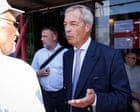
Nigel Farage, the leader of Reform UK, reportedly turned down taxpayer-funded security services last year. The offered package was comparable to the security provided to the leader of the opposition. However, Farage deemed the security provisions to be insufficient for his needs. This decision means he opted not to accept the protection, which would have included a bodyguard, a car, and a driver, all funded by the public purse. The specific reasons for his assessment of inadequacy were not detailed, but the offer was substantial, reflecting a certain level of perceived risk or importance associated with his public profile.
Nigel Farage's refusal of taxpayer-funded security, citing inadequacy, presents a complex dynamic between personal risk assessment and public resource allocation. While individuals have the right to decline services, this decision raises questions about the criteria used to determine security needs for public figures and the efficient use of taxpayer money. The situation highlights the ongoing debate surrounding the security apparatus for political leaders and the potential for differing perceptions of threat levels. Future considerations might involve refining the objective metrics for security provision to ensure both adequate protection and responsible stewardship of public funds, especially in an era of heightened political polarization and evolving security landscapes.
AI-generated to prompt reflection — not editorial opinion, not advice, not a statement of fact. How this works.