Nigel Farage Defends Undisclosed Benefits from Ally Amidst Calls for Transparency
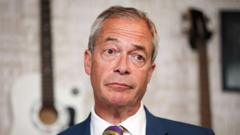
Reform UK leader Nigel Farage has stated that he has "done no wrongdoing" concerning benefits he received from an ally that were not declared. The Liberal Democrats have publicly urged Farage to be "straight with the British people" regarding these undeclared benefits. This situation raises questions about transparency and accountability within political campaigning and personal financial dealings of public figures. The specific nature of the benefits and the identity of the ally have not been fully disclosed in the initial reports. The call for clarity from the Liberal Democrats suggests a concern that the public may not have a complete picture of potential conflicts of interest or financial arrangements. Farage's defense implies he believes his actions were within legal and ethical boundaries, despite the lack of declaration. The ongoing scrutiny highlights the importance of financial disclosure for politicians to maintain public trust. Further details are expected as the situation develops.
The situation surrounding Nigel Farage's undeclared benefits from an ally presents a case study in the intersection of political influence, personal finance, and public trust. Transparency in political finances is crucial for maintaining a healthy democracy, as undisclosed benefits can create the perception of undue influence or conflicts of interest. The Liberal Democrats' call for honesty underscores the public's expectation for clear financial disclosures from political leaders. From a governance perspective, the adequacy of current declaration rules for political figures will likely be re-examined. Future considerations may involve strengthening regulations to ensure all financial arrangements, regardless of their perceived nature, are subject to public scrutiny, thereby reinforcing accountability and mitigating potential reputational risks for political parties and individuals alike.
AI-generated to prompt reflection — not editorial opinion, not advice, not a statement of fact. How this works.