Nigel Farage Resigns as MEP to Seek Re-election Amidst Donation Controversy
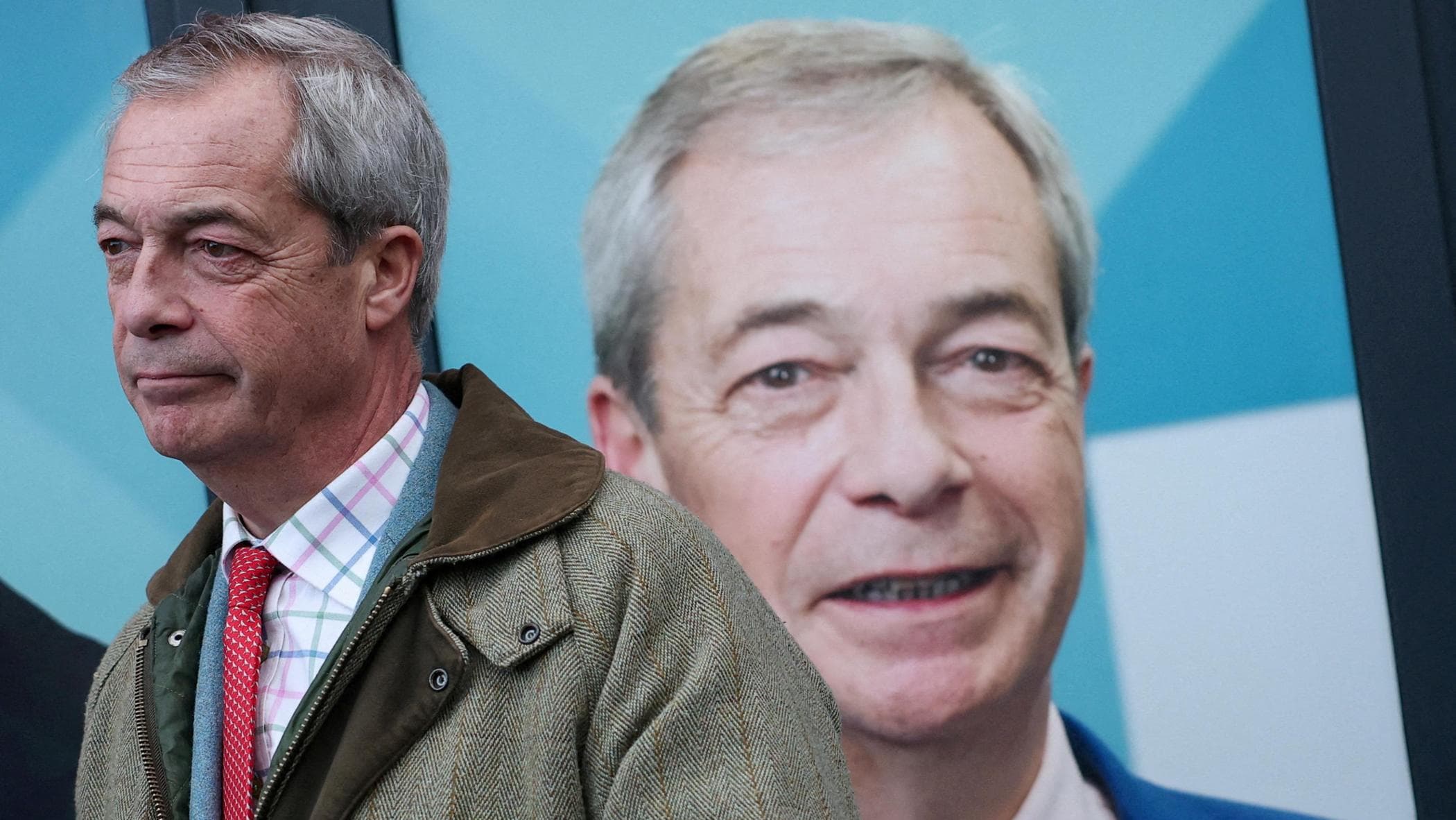
Populist leader Nigel Farage has resigned from his position as a Member of the European Parliament (MEP). This move comes after accusations of receiving millions in undisclosed donations. Farage has denied any wrongdoing and stated that journalists besieging his daughter were the "last straw."
He announced his intention to run for his former seat in Clacton-on-Sea, framing the upcoming election as a "historic battle against the establishment." Farage asserted that the voters will be the ultimate judges of his actions and integrity. He aims to counter narratives suggesting his departure from British politics, instead opting for a direct electoral challenge.
Nigel Farage's strategic resignation and immediate re-candidacy, framed as a populist stand against the establishment, highlights a common political tactic to reframe contested narratives. By positioning himself as a victim of media scrutiny and an advocate for the "people," he seeks to leverage public sentiment and potentially garner sympathy or support. This approach tests the efficacy of direct electoral confrontation over traditional political maneuvering when facing allegations. The situation underscores the tension between transparency in political funding and the methods employed by media and political opponents to investigate it, prompting reflection on the evolving dynamics of political accountability and public perception in the digital age.
AI-generated to prompt reflection — not editorial opinion, not advice, not a statement of fact. How this works.