Nigel Farage Resigns as MP, Faces Satirical Candidate in By-Election
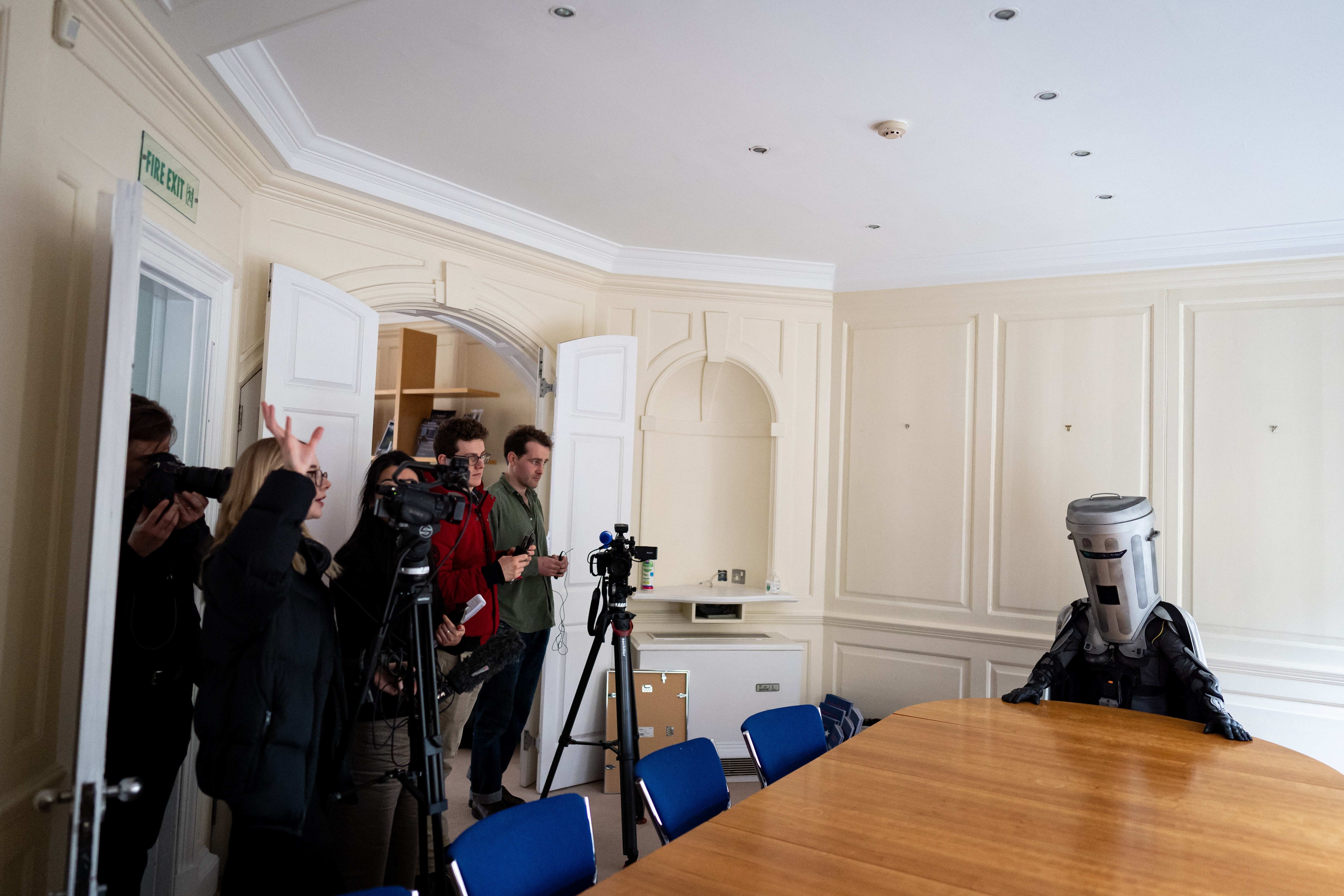
Nigel Farage, a prominent Brexit figure and leader of the Reform UK party, has resigned as a Member of Parliament (MP) to trigger a by-election in his Clacton constituency. He is now seeking to reclaim the seat in the upcoming vote, where his sole declared opponent is Count Binface, a satirical political candidate. Farage's resignation followed allegations of irregularities concerning a £5 million undeclared donation from a cryptocurrency businessman and gifts received from a convicted individual. He claims to be a victim of systemic persecution. Major British parties have opted not to field candidates, with former Prime Minister Keir Starmer labeling Farage's strategy a "desperate maneuver." The satirical candidate, portrayed by comedian Jonathan Harvey, is known for wearing a bin-lid helmet and running for office to mock British politics. Harvey, previously known as Lord Buckethead, has run against notable politicians like Boris Johnson and Rishi Sunak. Count Binface's platform blends humor with political critique, proposing measures such as limiting croissant prices and compelling Thames Water executives to swim in the polluted River Thames. Despite the comedic approach, Harvey aims to encourage electoral participation and discussion about British democracy. Farage remains the favorite, though Count Binface garnered nearly 93,000 votes in the 2021 London mayoral election. The satirical candidate's main pitch to voters is "not being Nigel Farage," a sentiment that has gained traction on social media and become a source of political jest.
Nigel Farage's resignation and subsequent by-election bid, facing a satirical opponent, highlights the complex interplay between political maneuvering, public perception, and electoral strategy in the UK. The decision by major parties to abstain from contesting the seat, coupled with the prominence of a satirical candidate, suggests a potential erosion of traditional political engagement or a strategic calculation to avoid direct confrontation with Farage's populist appeal. This scenario invites reflection on how political figures leverage media attention and public sentiment, particularly in the digital age, to shape narratives and influence electoral outcomes. The presence of Count Binface, while seemingly a humorous sideshow, can be interpreted as a symptom of broader dissatisfaction with conventional politics, prompting voters to consider unconventional choices. The long-term implications may involve a re-evaluation of campaign finance regulations and the dynamics of political discourse when faced with both established figures and disruptive, albeit satirical, challenges.
AI-generated to prompt reflection — not editorial opinion, not advice, not a statement of fact. How this works.