Nigel Farage to Contest UK By-election He Triggered Amidst Mainstream Party Boycott
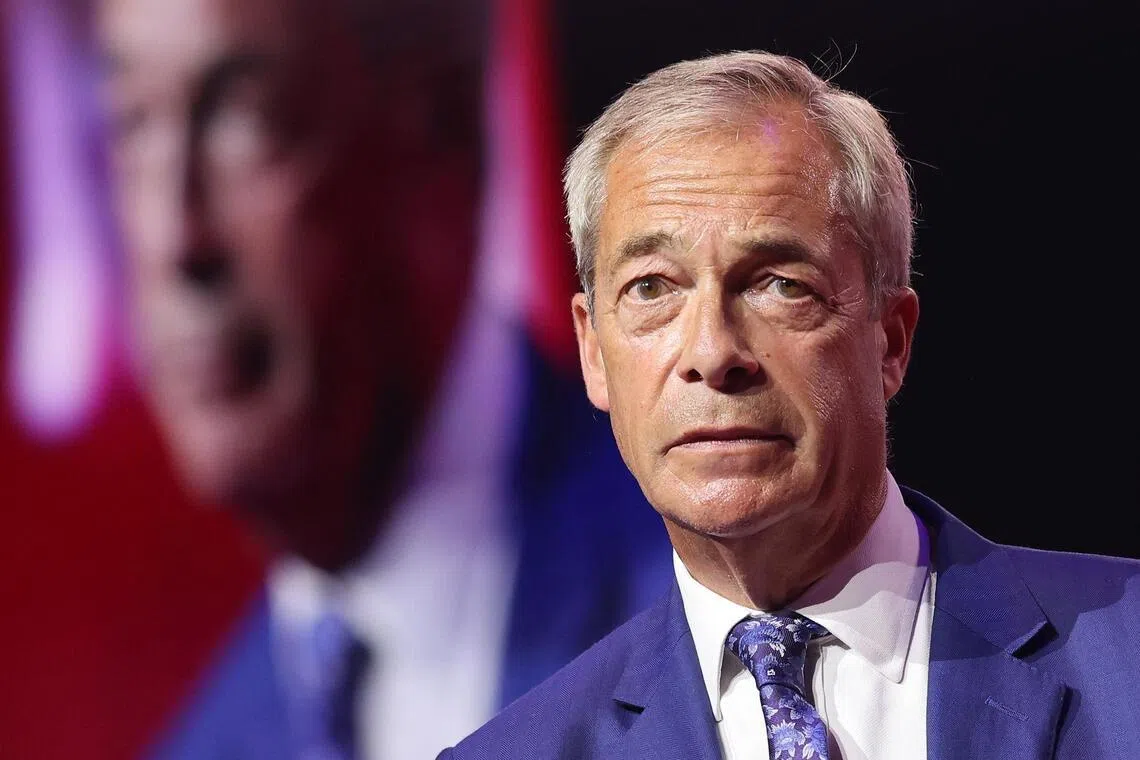
Populist figure Nigel Farage has announced his intention to stand in a UK by-election that he himself triggered. He will face a substantial field of 33 candidates, a number described as a record for such an election. Notably, Britain's mainstream political parties have collectively decided to boycott this particular poll. This boycott by established parties suggests a strategic maneuver, potentially aimed at either isolating Farage or avoiding association with an election perceived as a distraction or a platform for his specific agenda. Farage's decision to contest the election he initiated indicates a desire to directly engage with the electorate and leverage the circumstances for his political aims. The high number of candidates may reflect a diverse range of political interests or perhaps a fragmented opposition.
The decision by mainstream parties to boycott the by-election triggered by Nigel Farage presents an interesting dynamic in UK political strategy. This collective abstention could be interpreted as an attempt to deny Farage a prominent platform or to avoid legitimizing an election perceived as a populist stunt. However, such boycotts can also inadvertently amplify the narrative of an outsider challenging a perceived establishment, potentially benefiting the boycotters' opponents. From a governance perspective, elections are fundamental mechanisms for democratic representation; a widespread boycott raises questions about the perceived legitimacy and utility of specific electoral contests. Future electoral reforms might consider mechanisms to ensure broader participation and prevent strategic boycotts from undermining the democratic process, especially in an era where populist movements continue to reshape political landscapes globally.
AI-generated to prompt reflection — not editorial opinion, not advice, not a statement of fact. How this works.