Niger, Mali, and Burkina Faso Withdraw from International Criminal Court
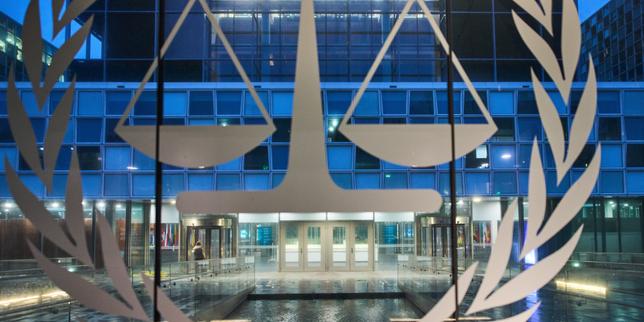
Niger, Mali, and Burkina Faso have formally notified United Nations Secretary-General Antonio Guterres of their withdrawal from the International Criminal Court's founding treaty. Following a similar move by Niamey, Bamako and Ouagadougou submitted their notifications on June 24. However, the withdrawal of these three West African nations will not be effective for one year. The countries have denounced the ICC, describing it as a "selective and politicized instrument." This decision marks a significant shift in their engagement with international legal institutions.
The decision by Niger, Mali, and Burkina Faso to withdraw from the ICC, citing it as a "selective and politicized instrument," reflects a growing trend of nations re-evaluating their commitment to international legal frameworks. This move may be influenced by perceptions of bias or a desire for greater national sovereignty in judicial matters. Over the next decade, as global power dynamics evolve and the influence of international bodies is increasingly debated, such withdrawals could signal a broader challenge to the universality and enforcement power of international law. It raises questions about the future effectiveness of the ICC and the potential fragmentation of global justice mechanisms, particularly in regions seeking to assert their autonomy.
AI-generated to prompt reflection — not editorial opinion, not advice, not a statement of fact. How this works.