Niger's Power Outages: A Complex Reality Requiring Deeper Analysis
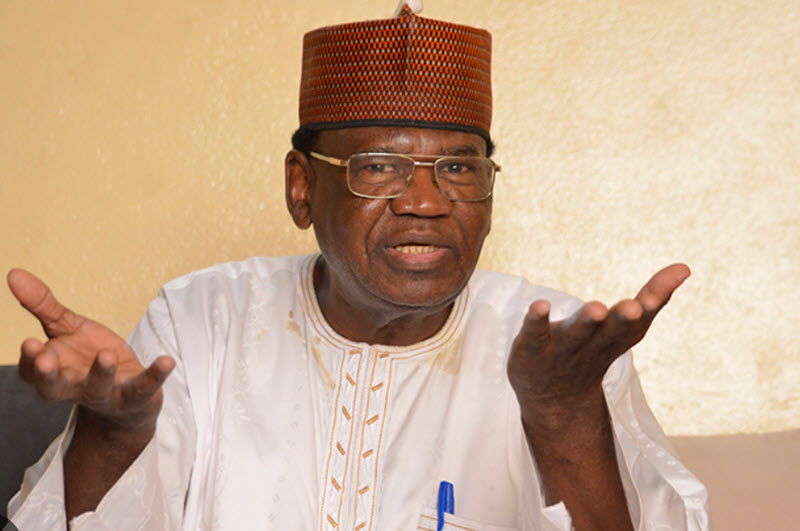
An analysis by Mr. Kado highlights the critical issue of public enterprise management in Niger, emphasizing the need for rigor, transparency, and efficiency in their operations. The current challenges facing the electricity and water sectors are significant and warrant thorough examination. However, attributing these difficulties solely to political interference oversimplifies the multifaceted nature of the situation. A comprehensive understanding requires looking beyond single causes to explore the intricate web of factors contributing to the ongoing power outages. The discussion underscores that effective governance of public utilities is paramount for ensuring reliable service delivery to the population. This situation demands a nuanced approach that considers all contributing elements rather than relying on simplistic explanations.
The situation in Niger concerning public utility management, as highlighted by Mr. Kado's analysis, points to systemic governance challenges. While political interference is cited as a factor, a comprehensive view suggests that the complexity of managing essential services like electricity and water often involves a confluence of factors. These can include underinvestment, aging infrastructure, regulatory frameworks, and operational inefficiencies, alongside political dynamics. Examining these interconnected elements is crucial for developing sustainable solutions. Focusing solely on one cause risks overlooking critical areas for reform, potentially perpetuating service disruptions. A forward-looking approach would involve strengthening institutional capacity and ensuring transparent, performance-based management to build resilience against future challenges, aligning with the growing global imperative for reliable and equitable access to essential services.
AI-generated to prompt reflection — not editorial opinion, not advice, not a statement of fact. How this works.