Niger Withdraws from International Criminal Court
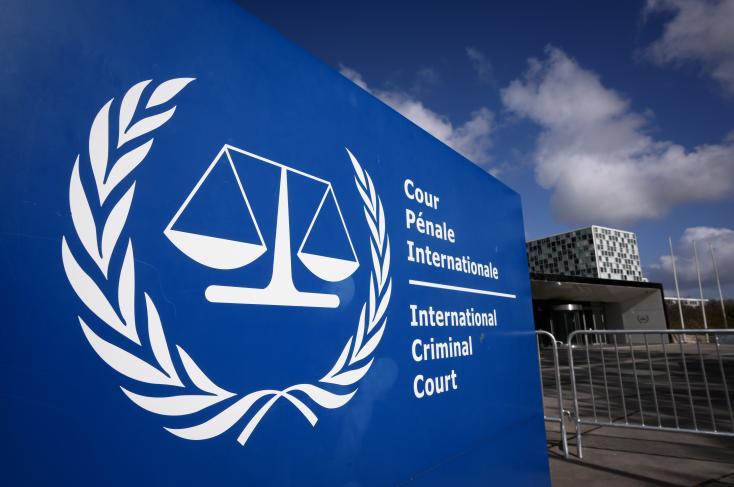
On June 18, 2026, Niger's ruling junta officially notified the United Nations of its withdrawal from the International Criminal Court (ICC). This action marks a significant move by the West African nation regarding its engagement with international justice mechanisms. The ICC, based in The Hague, prosecutes individuals for genocide, war crimes, and crimes against humanity when national authorities are unwilling or unable to do so.
Niger's withdrawal from the ICC reflects a broader trend of nations reassessing their engagement with international legal bodies, often driven by concerns over national sovereignty and perceived biases. Such decisions can impact the ICC's universal jurisdiction and its ability to hold individuals accountable for the most serious international crimes. This move may also signal a shift in geopolitical alignments, as countries increasingly prioritize domestic control over international oversight. The long-term implications for global justice mechanisms and the enforcement of international law remain to be seen, potentially creating challenges in addressing atrocities in regions where state capacity is limited.
AI-generated to prompt reflection — not editorial opinion, not advice, not a statement of fact. How this works.