Nigeria Mandates Local Data Storage for Financial Sector by 2027
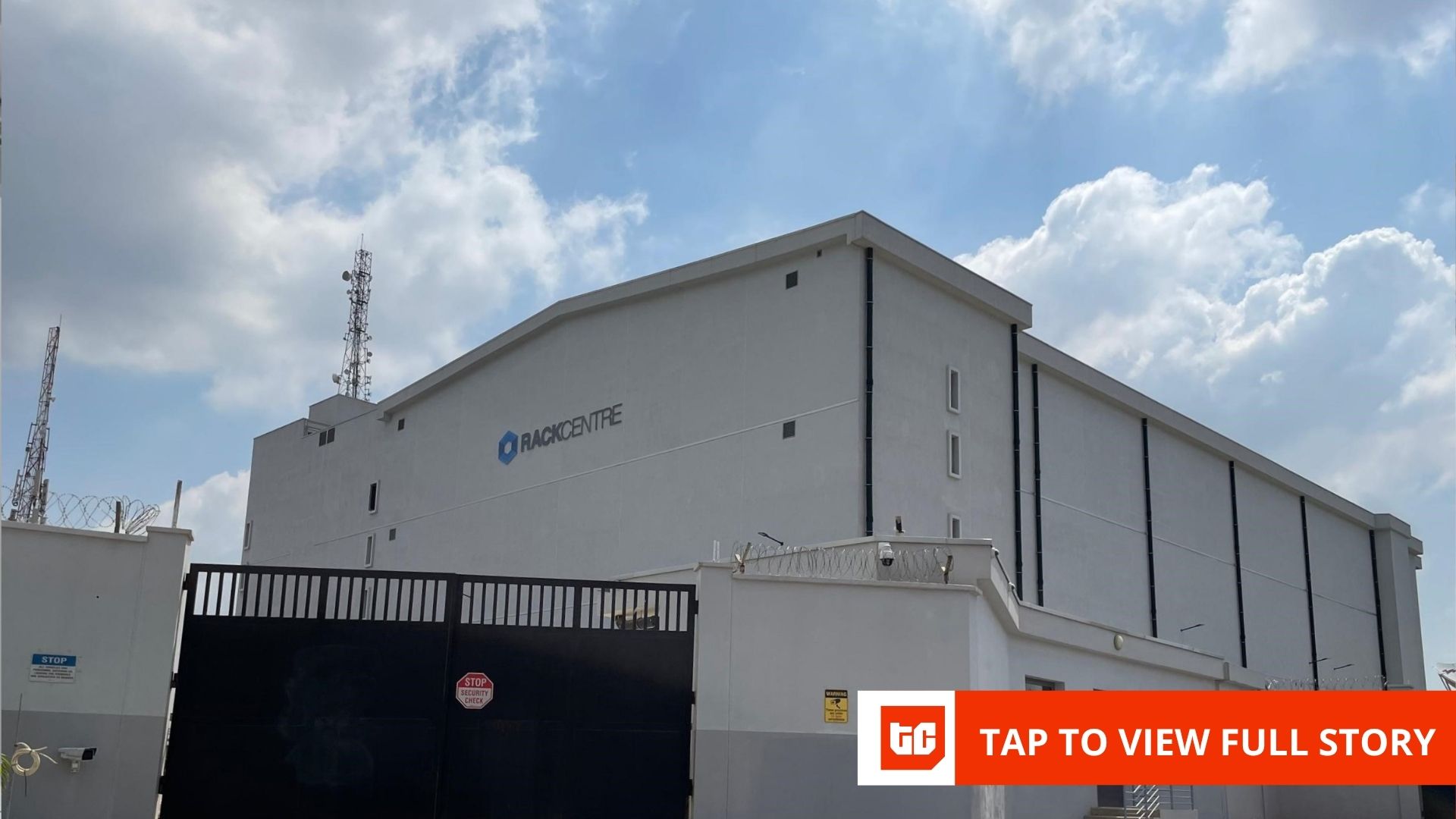
Nigeria's financial sector faces a significant operational shift as the Central Bank of Nigeria (CBN) has mandated that all banks, fintech companies, and payment processors must relocate their transaction data storage from foreign cloud infrastructure to domestic data centers. This directive is set to take effect on January 1, 2027.
The move aims to bolster the local digital infrastructure and ensure greater control over sensitive financial data within the country. Financial institutions will need to invest in and migrate their operations to Nigerian-based data centers to comply with the new regulation. This policy change is expected to stimulate growth in the local data center industry and potentially create new jobs within the technology sector.
The CBN's mandate for local data hosting by 2027 presents a strategic imperative for Nigeria's financial technology ecosystem. This policy aims to enhance data sovereignty and foster domestic technological capacity, potentially reducing reliance on foreign cloud providers and mitigating risks associated with cross-border data transfers. However, the transition necessitates substantial investment in local data center infrastructure, cybersecurity, and talent. The success of this mandate will hinge on the availability of robust, scalable, and secure domestic alternatives that can meet the stringent demands of the financial sector. Failure to adequately develop this infrastructure could lead to operational challenges, increased costs for financial institutions, and potential disruptions, impacting the broader digital economy.
AI-generated to prompt reflection — not editorial opinion, not advice, not a statement of fact. How this works.