Nigeria-Morocco Gas Pipeline: Energy Access vs. Climate Goals Dilemma
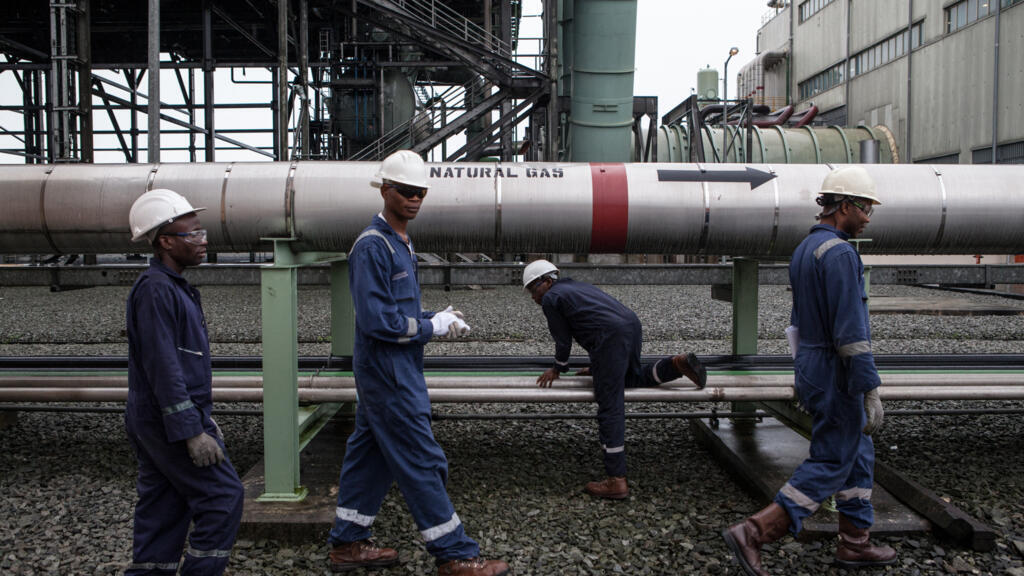
The proposed Nigeria-Morocco gas pipeline, with an estimated cost of $25 billion, highlights a significant dilemma between improving energy access for Africans and the global imperative for climate transition. Approximately 600 million Africans currently lack electricity, underscoring the urgent need for energy solutions on the continent. This ambitious project aims to transport natural gas from Nigeria, across several West African nations, and then to Morocco, potentially serving as a bridge to European markets. However, the project's reliance on fossil fuels raises concerns about its compatibility with international climate goals and the transition to renewable energy sources. Proponents argue that natural gas can serve as a transitional fuel, cleaner than coal, and essential for economic development and poverty reduction in regions with significant energy deficits. Critics, on the other hand, emphasize the long-term risks associated with investing in fossil fuel infrastructure, which could become stranded assets as the world moves towards decarbonization. The project's success and its environmental implications will depend on careful planning, financing, and adherence to evolving energy policies.
The Nigeria-Morocco gas pipeline project presents a complex geopolitical and economic challenge, balancing immediate energy needs with long-term climate commitments. While natural gas can offer a more immediate solution for the 600 million Africans lacking electricity compared to coal, its infrastructure represents a significant investment in fossil fuels. This raises questions about potential 'stranded assets' in a future increasingly defined by decarbonization mandates and the rapid advancement of renewable energy technologies. The project's viability will likely hinge on its ability to integrate with evolving energy transition frameworks, potentially serving as a transitional fuel source while simultaneously fostering the development of renewable energy capacity along its route. The strategic implications for regional energy security and economic development must be weighed against the global imperative to mitigate climate change.
AI-generated to prompt reflection — not editorial opinion, not advice, not a statement of fact. How this works.
