Nigeria: Terrorist Leaders Surrender Amidst Military Pressure and Alleged US Influence
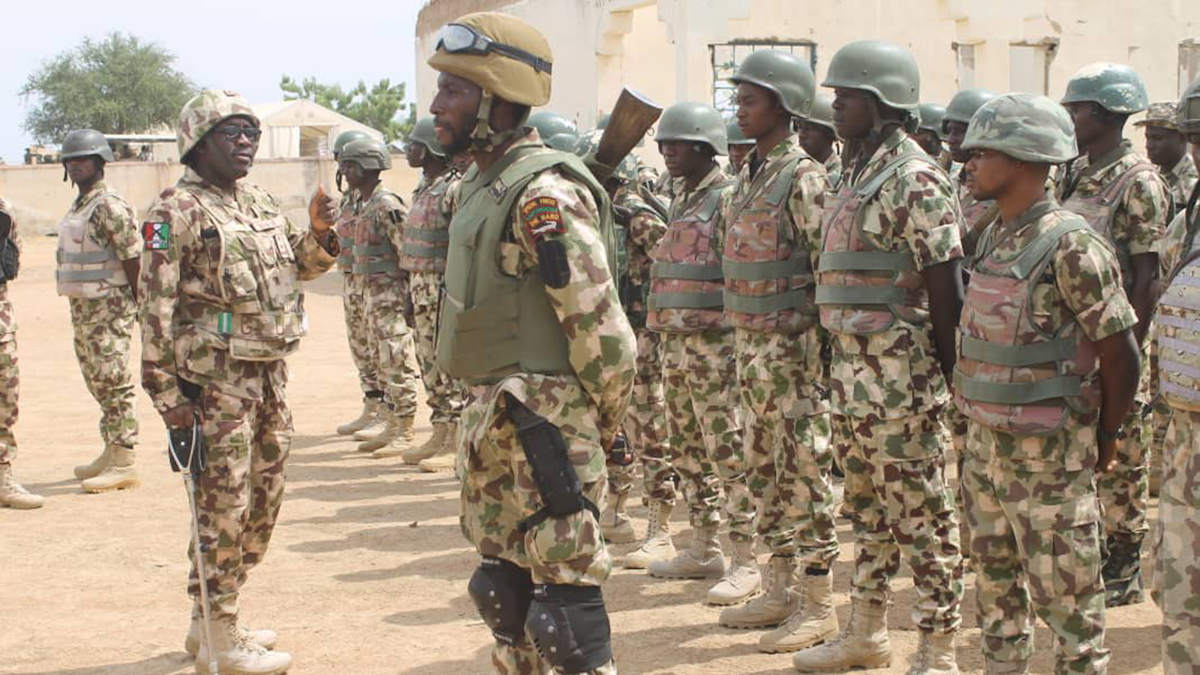
The Nigerian military has announced the surrender of several suspected leaders of the Islamic State in West Africa Province (ISWAP) in northeastern Nigeria. This development is attributed to ongoing military pressure exerted by the Nigerian army, specifically through the Joint Task Force Operation Hadin Kai. The military claims these surrenders are a direct result of their sustained operations and intensified efforts in the region. While the Nigerian army highlights its successes, the report also suggests that pressure from the United States may have played a role in compelling these terrorist leaders to lay down their arms. The specific details of the US involvement or the exact number of leaders who surrendered were not fully elaborated in the provided text. This situation underscores the complex dynamics of counter-terrorism efforts in the region, involving both national military actions and potential international diplomatic or intelligence support.
The reported surrenders of ISWAP leaders in northeastern Nigeria, attributed to military pressure and potential US influence, highlight a critical juncture in counter-insurgency operations. This outcome suggests that sustained military campaigns, potentially augmented by international support, can yield strategic gains by disrupting terrorist leadership structures. However, it is crucial to analyze the long-term implications beyond immediate battlefield successes. The effectiveness of such surrenders in permanently degrading ISWAP's capabilities, preventing the emergence of new leadership, and addressing the underlying socio-economic factors that fuel extremism remains to be seen. Future strategies must consider comprehensive approaches that include de-radicalization, community engagement, and robust governance to ensure lasting peace and stability in the region.
AI-generated to prompt reflection — not editorial opinion, not advice, not a statement of fact. How this works.