Night Terrors: When the Brain is Half Asleep During Sleep
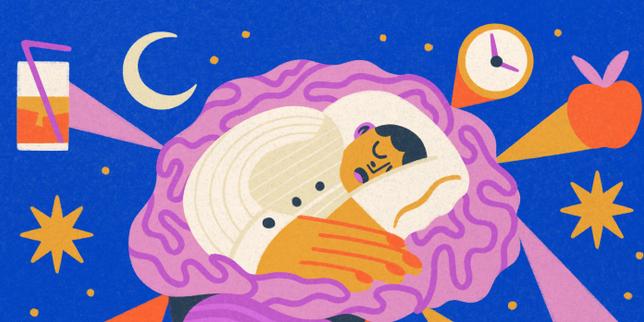
Night terrors, characterized by frightening scenes, screams, and impulsive actions, occur when the brain is in a state of partial sleep. These episodes are distinct from sleepwalking and nightmares and take place during slow-wave sleep. The phenomenon affects a significant portion of the population, with 15% of children aged 3 to 10 years experiencing them. Among adults, the prevalence is lower but still notable, affecting 2.2% of the adult population. These occurrences highlight a complex state of consciousness where the brain is not fully awake nor fully asleep.
Night terrors represent a fascinating neurological phenomenon where the brain exhibits mixed states of consciousness during slow-wave sleep. Understanding the prevalence across different age groups, particularly in children, offers insights into neurodevelopmental processes. The distinction from nightmares and sleepwalking underscores the need for precise diagnostic criteria in sleep medicine. Future research could explore potential triggers or underlying biological mechanisms, potentially leading to improved management strategies and a deeper understanding of sleep architecture and its disruptions.
AI-generated to prompt reflection — not editorial opinion, not advice, not a statement of fact. How this works.