Nighttime Amphibian Safaris, 'Sapeadas,' Gain Popularity in Brazil
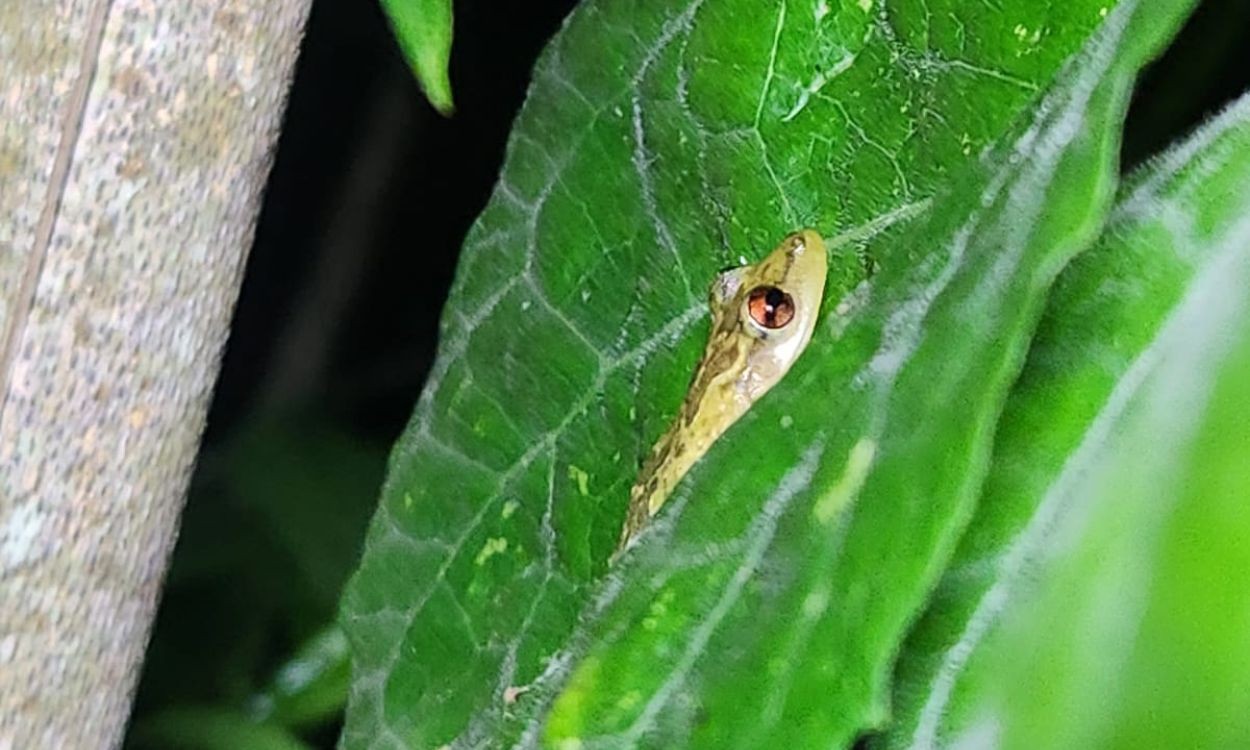
A growing activity in Brazil, known as 'sapeada,' involves nighttime excursions into nature to observe amphibians and reptiles in their natural habitats. Inspired by birdwatching, these guided walks are becoming popular among tourists, photographers, researchers, and nature enthusiasts. Beyond being a recreational activity, sapeadas serve as a tool for environmental education, citizen science, and biodiversity conservation. Participants, requiring no specialized knowledge beyond a respect for nature, explore trails with guides using flashlights to spot animals, particularly during their active reproductive periods after sunset. This direct contact with species often misunderstood or feared, like the common toad, helps to demystify them and showcase Brazil's vast amphibian diversity. The initiative has led to significant scientific contributions, with observations and photographs collected during sapeadas being uploaded to citizen science platforms like iNaturalist. Between October 2023 and December 2025, 14 sapeadas in São Francisco Xavier (SP) involved over 60 participants, documenting 31 species (29 amphibians, 2 reptiles) with 158 observations, approximately 60% of which have scientific value and are included in international databases. These efforts aid in species monitoring, understanding geographic distribution, and identifying environmental changes. A notable discovery occurred in January 2025 when a small frog of the genus *Fritziana*, a marsupial frog, was found for the first time in the Serra da Mantiqueira region, potentially representing a new species. Researchers emphasize strict protocols to minimize impact, including avoiding handling animals, walking in small groups, sanitizing footwear, and preserving micro-habitats, recognizing that amphibians are among the most threatened terrestrial vertebrates globally.
The 'sapeada' activity highlights a growing trend in nature-based tourism that aligns with citizen science initiatives, offering a dual benefit of economic engagement and ecological data collection. By transforming public perception of often-feared amphibians, these excursions foster environmental stewardship and contribute valuable data to scientific understanding of biodiversity and conservation needs. The structured approach, emphasizing minimal impact and adherence to scientific protocols, demonstrates a responsible model for engaging the public with sensitive ecosystems. As global biodiversity faces increasing threats, particularly to amphibians, such activities represent a scalable strategy for both education and conservation, potentially influencing policy and public awareness over the next decade by providing tangible connections to ecological health.
AI-generated to prompt reflection — not editorial opinion, not advice, not a statement of fact. How this works.