Nijmeegse Vierdaagse Route Change Disappoints Beers Residents
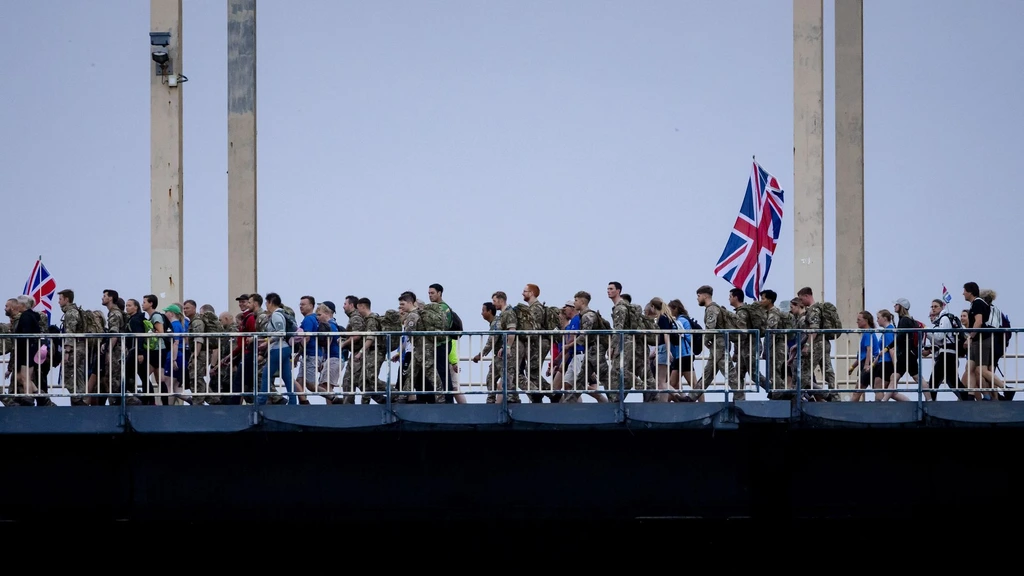
Residents of the Dutch village of Beers are expressing disappointment following the Nijmeegse Vierdaagse organization's decision to alter the walking routes. For many years, tens of thousands of participants have passed through Elstweg, Doctor Moonsweg, and Jan van Daalstraat on the fourth day of the event, but this tradition will end starting with the upcoming edition. Henrie Groenen, a resident of Jan van Daalstraat, described the widespread sadness among locals, noting that his family was personally affected by the news. He and his neighbors traditionally prepare for the walkers by baking apple pies and making soup, setting out chairs, and hanging flags. Their children, who participate in the event, along with many acquaintances, would often stop for a break at their home, making it a highlight of the year. The route modification means walkers will now proceed between Gassel and Beers along the Kraaijenbergse plassen, deviating from the previous path through the affected streets. The organization cited traffic safety as the primary reason for the change, aiming to improve flow and maintain accessibility for the surrounding area. Hans Teunissen, Head of Mobility for the Vierdaagse, stated that the adjustment benefits both the walkers and the local residents by creating a quieter and more appealing course. Military participants will also follow a different route, traveling between Grave and Beers via the provincial road. Many residents feel excluded from the decision-making process and have launched a petition to reinstate the original route by 2027. Mayor Marieke Moorman acknowledged the residents' disappointment, understanding that some look forward to the walkers passing by their homes, though she believes the overall impact of the adjustments is manageable. The municipality has indicated that the route will be reassessed again next year.
The rerouting of the Nijmeegse Vierdaagse, while presented by organizers as a measure for traffic safety and improved participant experience, has understandably caused local disappointment. This situation highlights a common tension between large-scale public events and the communities they traverse. While event organizers must prioritize logistical efficiency and safety, the long-standing traditions and community engagement associated with such events represent significant social capital. The residents' petition underscores a desire for greater participatory governance in decisions that directly impact their daily lives and local identity. Future planning could benefit from more robust stakeholder consultation frameworks that balance operational needs with community values, potentially exploring phased implementation or alternative mitigation strategies to preserve both efficiency and local connection.
AI-generated to prompt reflection — not editorial opinion, not advice, not a statement of fact. How this works.